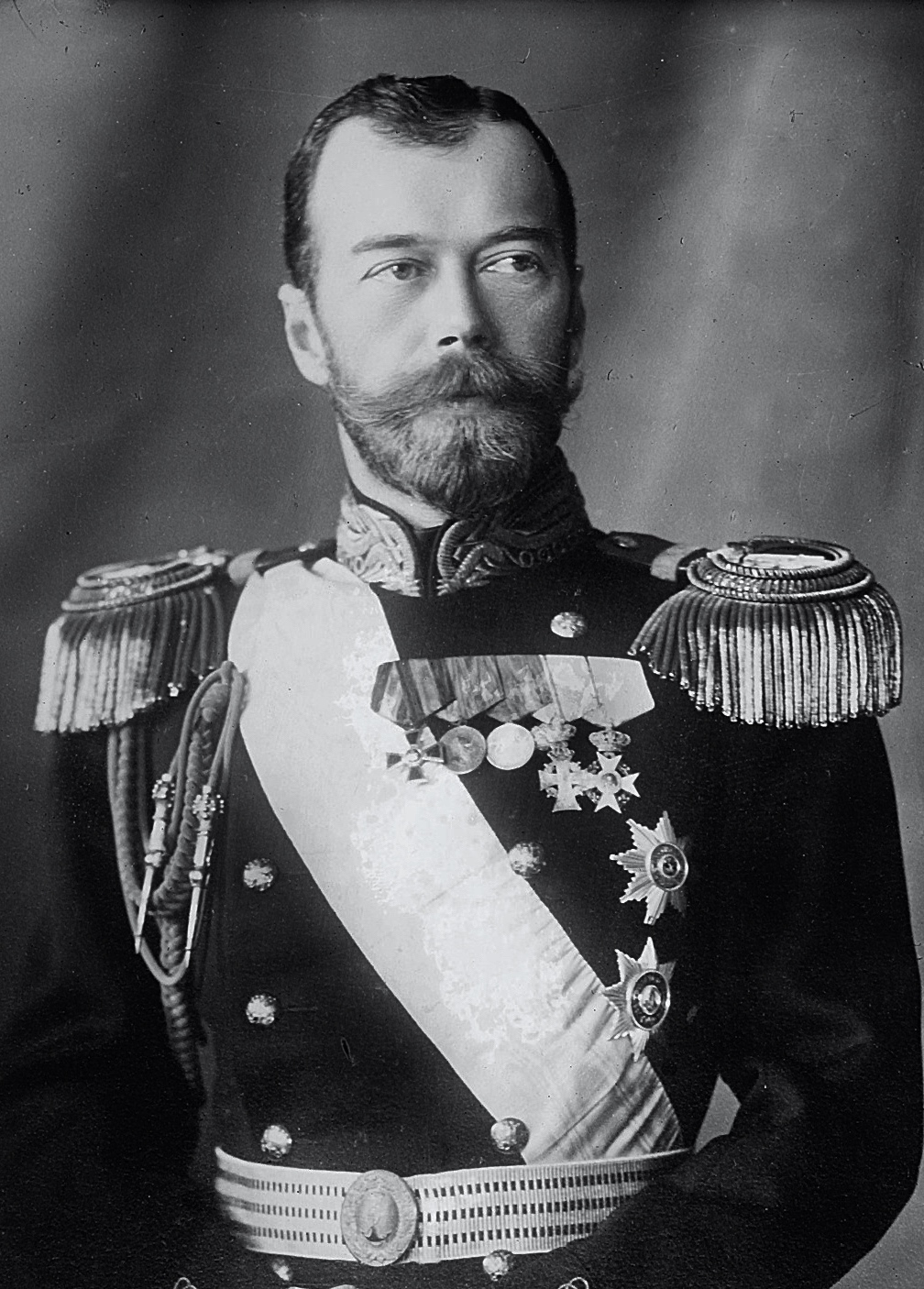
Russian Tsar initiates policy of Russification in Finland
Finland
Political
Nationalism
4 min read
Updated By: History Editorial Network (HEN)
Published:
Following growing tensions in the Russian Empire, Tsar Nicholas II implemented a policy of Russification in Finland to strengthen central authority. This move aimed to assimilate Finland into Russian culture and suppress Finnish nationalism. As part of this policy, the Finnish language was largely replaced with Russian in government institutions and education.
The Russification efforts faced strong resistance from the Finnish population, leading to widespread protests and strikes. Finnish people saw this policy as a threat to their heritage and autonomy. Intellectuals, students, and political activists played a key role in opposing the Tsar's decree.
Despite the resistance, the Russification policy resulted in increased censorship, restrictions on Finnish cultural activities, and limitations on political autonomy. This marked a turning point in Finnish history, igniting a desire for independence and fueling the nationalist movement in the country.
The implementation of Russification in Finland had long-lasting impacts on the relationship between Finland and Russia. It created deep-seated resentment among the Finnish people towards Russian rule, contributing to the eventual independence of Finland in later years.
The inauguration of the Russification policy by Tsar Nicholas II left a profound mark on Finnish history, shaping the country's identity and fueling the drive for independence. The events surrounding this policy highlighted the resilience and determination of the Finnish people in preserving their culture and language in the face of external pressures.
#Russification #TsarNicholasII #FinlandHistory #Nationalism #Independence
Primary Reference
Timeline of Key Dates Finland's History

Explore the Life Moments of
 AI Twin