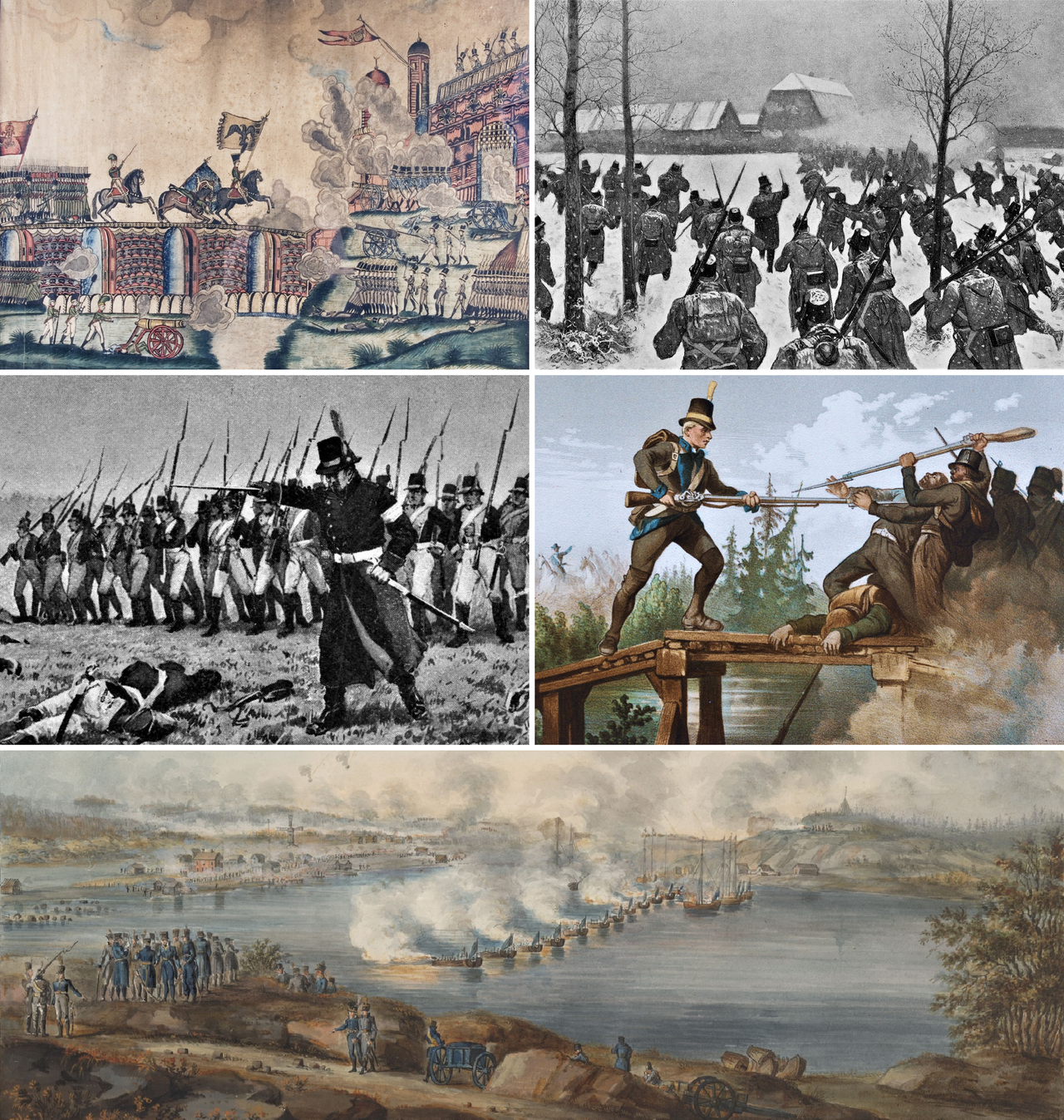
Russian invasion of Sweden backed by Napoleon
Finland
GeopoliticalShift
3 min read
Updated By: History Editorial Network (HEN)
Published:
During the 19th century, a pivotal event unfolded when Russian forces invaded Sweden with the support of Napoleon. This invasion marked a significant shift in power dynamics within the region, as it ultimately led to the cession of Finland from Sweden to Russia.
The invasion was a strategic move by Russia to secure its western borders and gain control over the valuable territory of Finland. With Napoleon's backing, the Russian forces were able to launch a successful campaign against Sweden, eventually forcing them to cede Finland in the subsequent peace treaty.
The impact of this event was profound and far-reaching. The cession of Finland to Russia changed the geopolitical landscape of Northern Europe and solidified Russia's influence in the region. Finland would remain under Russian control for the next century, until gaining independence in 1917.
This event highlighted the complex web of alliances and power struggles that characterized the Napoleonic era. It also underscored the shifting alliances and allegiances that European powers engaged in during this period of political turmoil.
Overall, the Russian invasion of Sweden supported by Napoleon not only reshaped the boundaries of nations in Northern Europe but also set the stage for future conflicts and power struggles in the region. This event remains a defining moment in the history of Finland and the broader European continent.
#RussianInvasion #NapoleonicEra #GeopoliticalShift #FinlandHistory
Primary Reference
Finnish War - Wikipedia

Explore the Life Moments of
 AI Twin