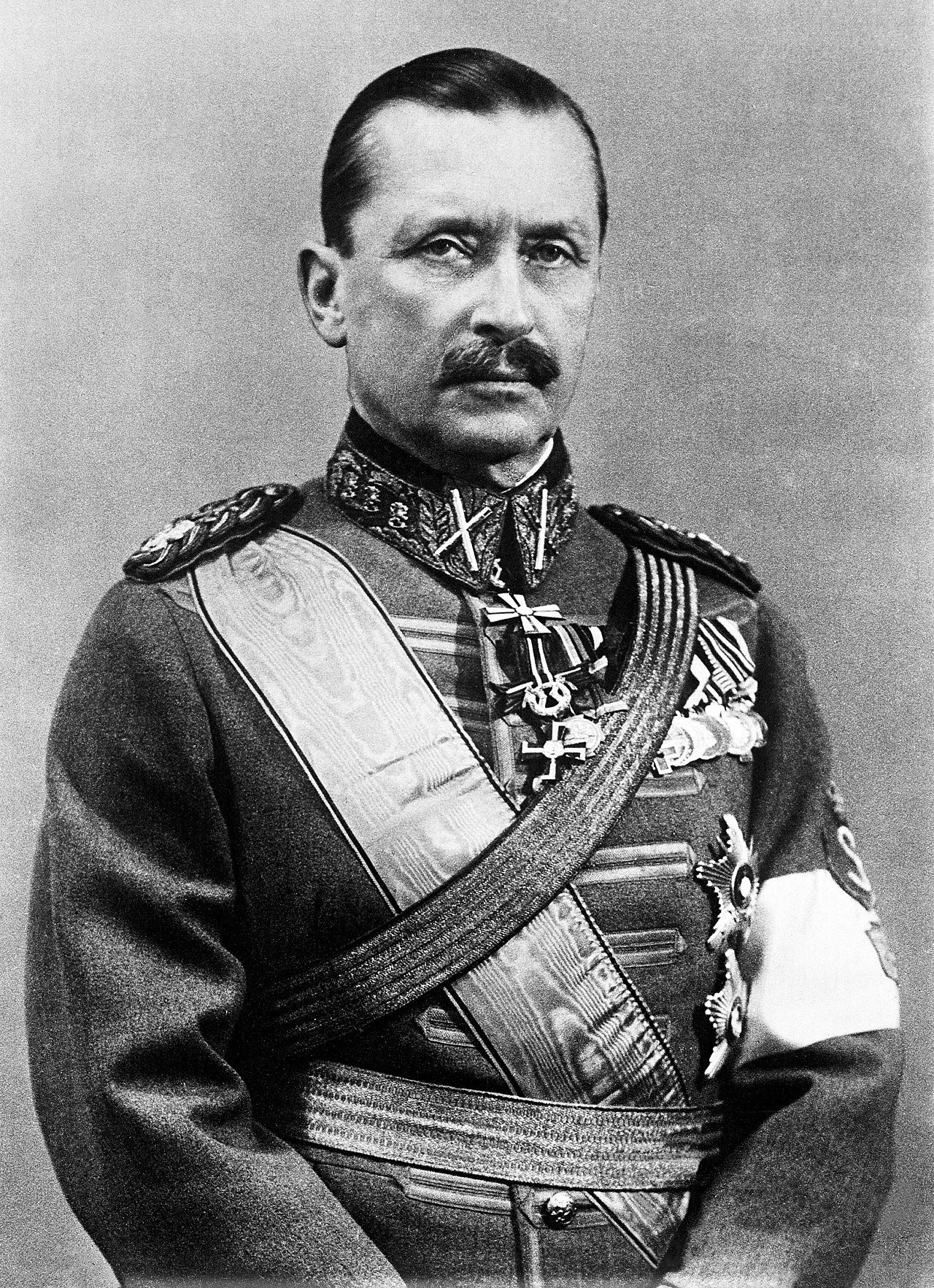
Red Guards Rebellion Suppressed by General Mannerheim
Finland
Political
4 min read
Updated By: History Editorial Network (HEN)
Published:
In 1/27/1918, a rebellion by left-wing Red Guards in Finland was swiftly suppressed by General Carl Gustaf Emil Mannerheim. The uprising stemmed from political unrest following the Russian Revolution and subsequent power vacuum in Finland. The Red Guards, comprised of socialist and communist factions, sought to challenge the conservative Finnish Senate and establish a socialist government.
General Mannerheim, a former Russian military officer, was appointed as the commander of the White Guards, a conservative faction opposing the Red Guards. With the support of the German Empire, the White Guards were well-equipped and organized, allowing them to quickly gain the upper hand in the conflict. Mannerheim's strategic military tactics and leadership skills played a crucial role in defeating the Red Guards and restoring order in Finland.
The rebellion and its suppression had far-reaching consequences for Finland. The defeat of the Red Guards marked the end of Finland's brief but turbulent civil war. The victory of the White Guards solidified the Senate's position of power and paved the way for Finland's independence from Russia later that year. The events of the rebellion underscored the deep divisions within Finnish society and set the stage for the country's future political development.
The rebellion by the left-wing Red Guards and its suppression by General Mannerheim remain a significant chapter in Finnish history. The conflict highlighted the struggle for power and ideology in the aftermath of the Russian Revolution, ultimately shaping the course of Finland's path to independence. The legacy of the rebellion serves as a reminder of the complexities and challenges faced by nations in times of political upheaval. #FinnishHistory #CivilConflict #PoliticalUnrest 🇫🇮
Primary Reference
Finnish Civil War - Wikipedia

Explore the Life Moments of
 AI Twin