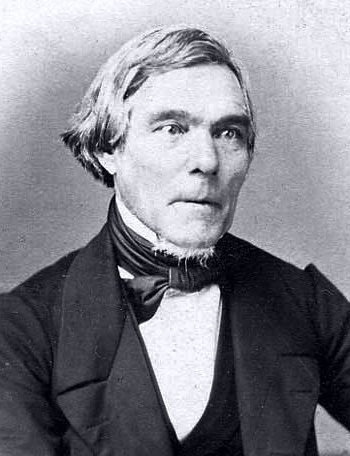
Publication of the Kalevala by Elias Lönnrot
Finland
Culture
Heritage
4 min read
Updated By: History Editorial Network (HEN)
Published:
Elias Lönnrot, a Finnish scholar and poet, played a crucial role in the compilation and publication of the Kalevala, a cornerstone of Finnish literature. Lönnrot traveled extensively across Finland, collecting tales and poems from oral folklore tradition. Over several years, he pieced together these fragments into a coherent narrative, shaping the Kalevala into a unified epic poem.
The Kalevala consists of 22,795 verses divided into fifty songs, exploring themes of creation, nature, and the heroic deeds of Väinämöinen, Ilmarinen, and Lemminkäinen. Upon its publication, the Kalevala garnered widespread acclaim for its depiction of Finnish mythology and the national spirit of Finland. The epic effectively became a symbol of cultural identity and unity for the Finnish people during a time when the country was under Russian rule.
Lönnrot's work on the Kalevala also played a significant role in the development of the Finnish language and literature. By collecting and preserving traditional oral poetry, he not only immortalized the stories of the Finnish people but also contributed to the standardization and enrichment of the Finnish language.
The publication of the Kalevala marked a turning point in Finnish cultural history, inspiring generations of artists, writers, and composers. The epic poem has influenced various art forms, from music and opera to visual arts and literature, leaving a lasting impact on Finnish culture.
Today, the Kalevala remains a revered work of epic poetry, celebrated for its vivid imagery, powerful storytelling, and deep connection to Finnish heritage. Lönnrot's dedication and passion for preserving Finland's cultural heritage have secured his place in the annals of Finnish literature and history.
#FinnishHeritage #CulturalIdentity #EpicPoetry
Primary Reference
Elias Lönnrot - Wikipedia

Explore the Life Moments of
 AI Twin