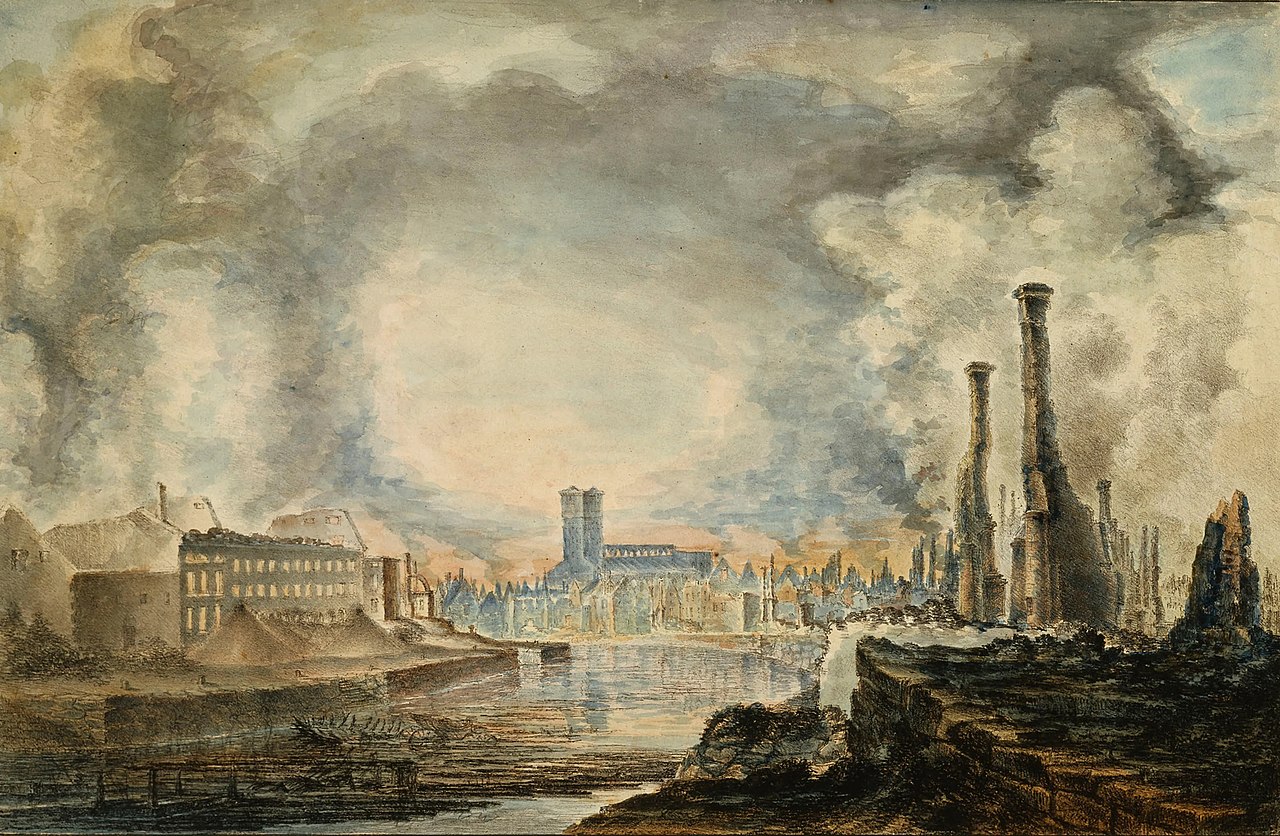
Great Fire of Turku prompts capital relocation to Helsinki
Finland
Historic Event
Finnish
4 min read
Updated By: History Editorial Network (HEN)
Published:
In 1827, the Great Fire of Turku swept through the city, leaving widespread devastation in its wake. The fire ravaged most of the buildings, including homes, businesses, and cultural institutions, leading to an estimated 75% of the city being destroyed. The aftermath of the fire left thousands homeless and caused significant economic and social upheaval in Turku.
The destruction caused by the Great Fire was a turning point in Finnish history, prompting the authorities to reconsider the location of the capital city. Ultimately, the decision was made to move the capital from Turku to Helsinki. This shift was driven by the need for a more strategically located and modern capital that could better serve the country's administrative and commercial needs.
The impact of the Great Fire of Turku and the subsequent decision to relocate the capital to Helsinki had far-reaching consequences for Finland. Helsinki, with its more favorable location and infrastructure, emerged as a thriving hub of commerce, governance, and culture. The move also symbolized a new era of growth and development for the country, signaling Finland's aspirations for progress and modernization.
The Great Fire of Turku and the relocation of the capital to Helsinki marked a pivotal moment in Finland's history, highlighting the resilience of its people in the face of adversity and their ability to adapt and rebuild in the aftermath of tragedy.
#GreatFireofTurku #Turku #Helsinki #CapitalCity #HistoricEvent #FinnishHistory
Primary Reference
City of Turku

Explore the Life Moments of
 AI Twin