Effective Implementation of Treaty of Tartu
Finland
Diplomacy
3 min read
Updated By: History Editorial Network (HEN)
Published:
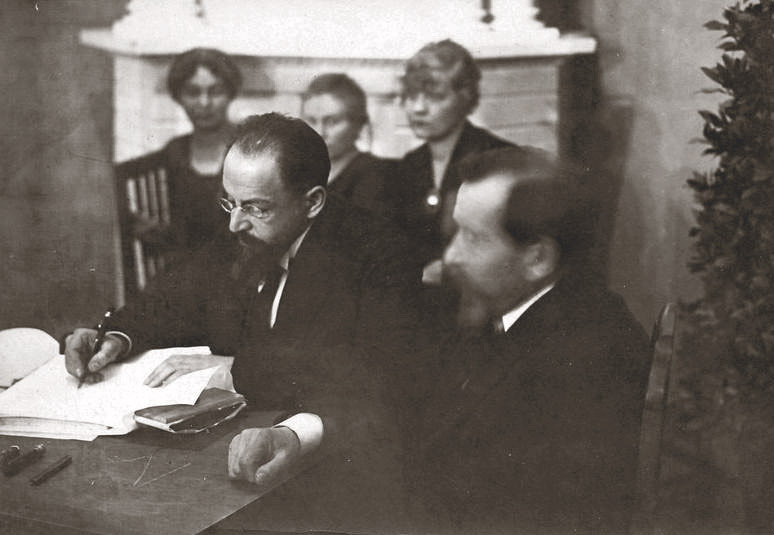
In December 1920, after the conclusion of the Finnish Civil War, the Treaty of Tartu, also known as the Treaty of Peace between Finland and Soviet Russia, became effective. The Treaty marked the end of hostilities between the two nations and established new borders.
As part of the agreement, Finland ceded parts of its territory to the Soviet Union, including the region of Karelia. In return, the Soviet Union recognized Finnish independence and borders, paving the way for improved relations between the two countries. The Treaty also included provisions for the protection of minorities on both sides of the border.
The Treaty of Tartu had a lasting impact on the relationship between Finland and the Soviet Union, setting a foundation for diplomatic cooperation and peaceful coexistence. It helped to stabilize the region after years of conflict and laid the groundwork for future negotiations between the two nations.
Overall, the Treaty of Tartu was a significant development in Finnish history, shaping the country's borders and diplomatic relations with its eastern neighbor. It underscored the importance of diplomacy and compromise in resolving conflicts and securing peace.
#TreatyofTartu #Finland #SovietUnion #Diplomacy #Peace #History
Primary Reference
Treaty of Tartu (Finland–Russia) - Wikipedia

Explore the Life Moments of
 AI Twin