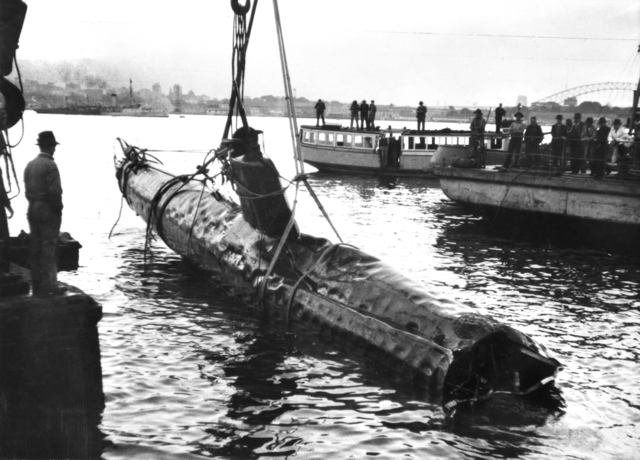
Japanese Submarine I-25 Launches Seaplane Over Fiji in WWII Reconnaissance Operation
Fiji
Technology
Military
4 min read
Updated By: History Editorial Network (HEN)
Published:
Updated:
The event involved the Japanese submarine I-25, which launched a Yokosuka E14Y seaplane over Fiji during a well-coordinated military operation. This marked one of the few instances in World War II where Japanese aircraft flew over the South Pacific region.
The I-25, part of the Imperial Japanese Navy’s submarine fleet, carried a small aircraft in a watertight hangar on its deck. The seaplane, a Yokosuka E14Y Glen, was designed for reconnaissance missions and could be assembled and launched swiftly. This particular mission aimed to gather intelligence on Allied movements in the Pacific, focusing on the Fiji region due to its strategic location.
Upon surfacing, the submarine's crew quickly deployed the seaplane for a reconnaissance sortie. The plane conducted a flight over the islands, gathering valuable information before safely returning to the submarine. This flyover highlighted the reach and capabilities of the Japanese military during the conflict.
The impact of the operation was mainly psychological, demonstrating Japan's ability to project power far from its home waters, thus creating concern among Allied forces. The data obtained from such missions contributed to Japan's broader strategic efforts in the Pacific theater.
This undertaking provided insights into the strategic significance of remote locations like Fiji, emphasizing their role in broader military operations. It also showcased the innovative use of submarines and reconnaissance aircraft during wartime, highlighting the evolving nature of naval warfare.
#MoofLife #WorldWarII #PacificTheatre #Reconnaissance #SubmarineWarfare
Primary Reference
Nobuo Fujita | World War II Database

Explore the Life Moments of
 AI Twin