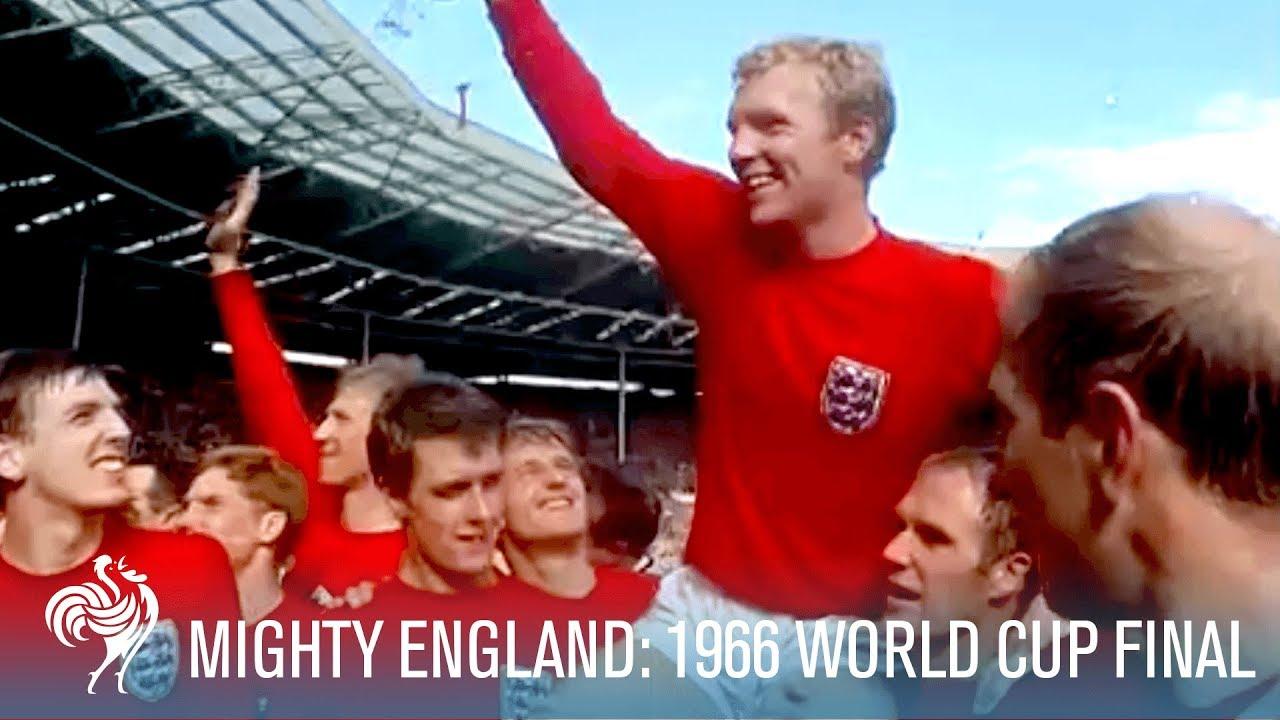
World Cup televised for the first time
France
Sports
Television History
World Cup
4 min read
Updated By: History Editorial Network (HEN)
Published:
Updated:
The introduction of television coverage for the World Cup marked a pivotal moment in the history of international sports. Under the leadership of Sir Stanley Rous, the World Cup was broadcasted for the first time, significantly enhancing the visibility of the tournament. This development allowed millions of viewers around the globe to experience the excitement of the matches, fostering a deeper connection between fans and the sport. The televised World Cup not only showcased the skills of the players but also highlighted the cultural significance of football in various nations. As a result, the tournament began to attract larger audiences, both in stadiums and through television screens, contributing to the growth of football as a global phenomenon.
The impact of this televised coverage extended beyond mere viewership numbers. It played a crucial role in elevating the World Cup's status, positioning it as one of the premier international sporting events, second only to the Olympic Games in terms of global prestige. The ability to watch the World Cup on television helped to popularize the sport in regions where football was not traditionally dominant, leading to increased participation and interest at grassroots levels. This shift also encouraged investment in football infrastructure and youth programs, as nations recognized the potential for football to unite people and promote national pride. The televised World Cup laid the groundwork for future tournaments, establishing a model for how sports could be marketed and consumed on a global scale.
#mooflife
#MomentOfLife
#WorldCup
#TelevisionHistory
#Football
#GlobalSports
#SirStanleyRous

Explore the Life Moments of
 AI Twin