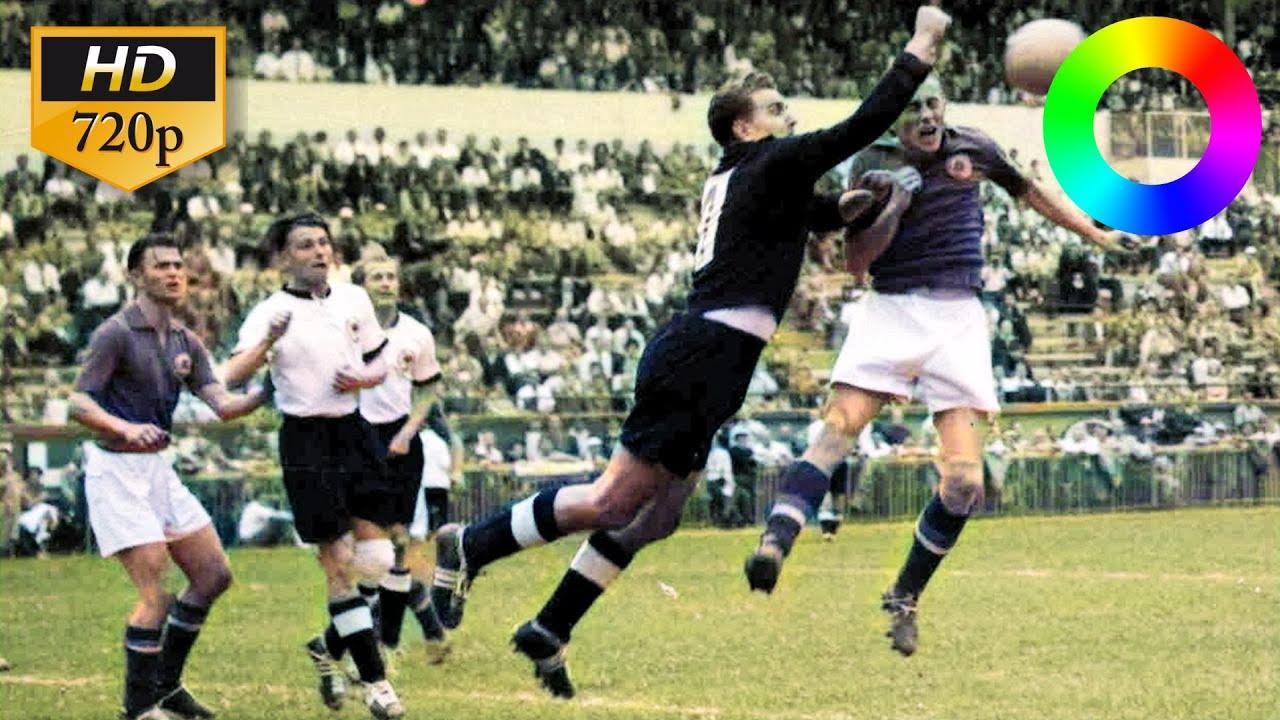
The 1954 FIFA World Cup
France
3 min read
Updated By: History Editorial Network (HEN)
Published:
The 1954 FIFA World Cup, held in Switzerland, was a landmark event in football history and is often remembered for its dramatic moments and groundbreaking developments. Taking place from June 16 to July 4, the tournament marked the first time matches were broadcast live on television, expanding the reach and popularity of the game across Europe. It was also known for an unusually high number of goals, with an astonishing average of 5.38 goals per game—the highest in World Cup history. The tournament culminated in one of the most famous upsets in football: West Germany’s unexpected 3–2 victory over the heavily favored Hungarian team in what became known as the "Miracle of Bern."
Hungary entered the tournament as the dominant force in world football, boasting a 31-match unbeaten streak and a lineup of legendary players like Ferenc Puskás and Sándor Kocsis. They had already defeated West Germany 8–3 in the group stage, making the final’s outcome all the more surprising. West Germany’s tactical adaptability, resilience, and team spirit turned the tide, sparking a sense of national pride and emotional recovery in post-war Germany. The 1954 World Cup not only delivered thrilling football but also symbolized hope, renewal, and the power of sport to reshape national identity in a changing world.
\#MomentsOfLife #MoofLife\_Moment #MoofLife #1954WorldCup #MiracleOfBern #FootballHistory #GlobalGame #SportingLegacy

Explore the Life Moments of
 AI Twin