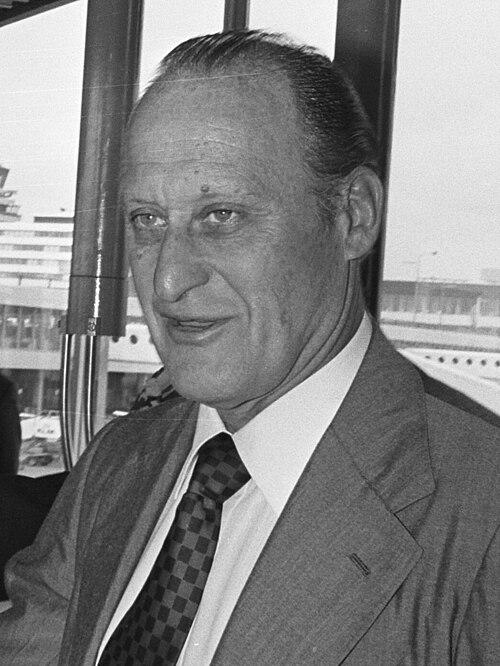
João Havelange Becomes FIFA President
France
Sports Management
Football History
Commercialization in Sports
4 min read
Updated By: History Editorial Network (HEN)
Published:
Updated:
João Havelange's presidency marked a pivotal shift in the operations and global reach of FIFA. Upon taking office, he transformed FIFA into a more commercially driven organization, which significantly altered the landscape of international football. One of his notable contributions was the expansion of the FIFA World Cup, increasing the number of participating teams from 16 to 24 for the tournament held in Spain. This expansion not only allowed more nations to compete on the world stage but also enhanced the tournament's appeal and viewership, leading to increased revenue from broadcasting rights and sponsorships. Havelange's tenure also saw the introduction of new marketing strategies that capitalized on the growing popularity of football worldwide, establishing FIFA as a major player in global sports management.
Under Havelange's leadership, FIFA's influence extended beyond just the World Cup. He played a crucial role in integrating Israel into the international football community, facilitating its affiliation with UEFA. This move was significant in promoting inclusivity within the sport, despite the political tensions surrounding the region. Havelange's presidency laid the groundwork for future expansions and reforms within FIFA, including the increase of World Cup teams to 32, which further democratized the competition. His legacy is reflected in the modern structure of FIFA, which continues to prioritize commercial interests alongside the development of football globally.
#mooflife
#MomentOfLife
#JoãoHavelange
#FifaPresident
#WorldCupExpansion
#FootballCommercialization
#InternationalFootball
Primary Reference
João Havelange
Explore the Life Moments of
 AI Twin