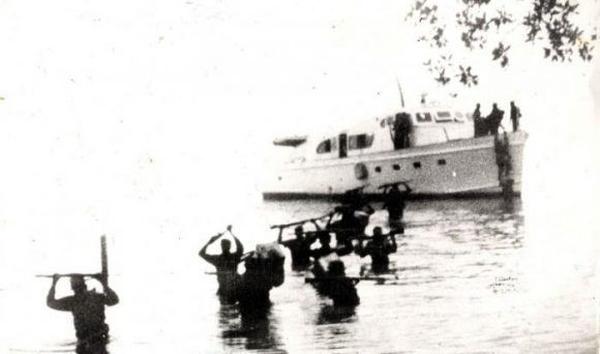
Lands in Cuba on yacht 'Granma.' 12 survivors regroup in Sierra Maestra to launch guerrilla war.
3 min read
Updated By: History Editorial Network (HEN)
Published:
In May 1955, after spending nearly two years in prison for his role in the failed Moncada Barracks attack, Fidel Castro was granted amnesty by the Batista regime under growing public pressure. This strategic move by the government was meant to ease political tensions, but it inadvertently reignited Castro’s revolutionary ambitions. Upon his release, Fidel wasted no time in reorganizing his resistance movement. Understanding that a successful revolution required better preparation and international support, he left Cuba for Mexico—a decision that would prove pivotal in the course of Cuban history.
In Mexico, Fidel joined forces with other exiled revolutionaries, including his brother Raúl and a young Argentine doctor named Ernesto “Che” Guevara. It was there that he laid the groundwork for a new insurrection, training his fighters in guerrilla warfare and carefully planning their return to Cuba. This period in exile was not one of retreat but of strategic regrouping, where the seeds of the Cuban Revolution truly began to take form, leading to the eventual overthrow of Batista in 1959.
\#FidelCastro #CubanRevolution #PoliticalAmnesty #CheGuevara #RevolutionInExile #MomentsOfLife #MoofLife\_Moment #MoofLife
Primary Reference
Landing of the Granma

Explore the Life Moments of
 AI Twin