Women in World War II
Women's Roles in War
Military History
Labor and Employment during War
5 min read
Updated By: History Editorial Network (HEN)
Published:
Updated:
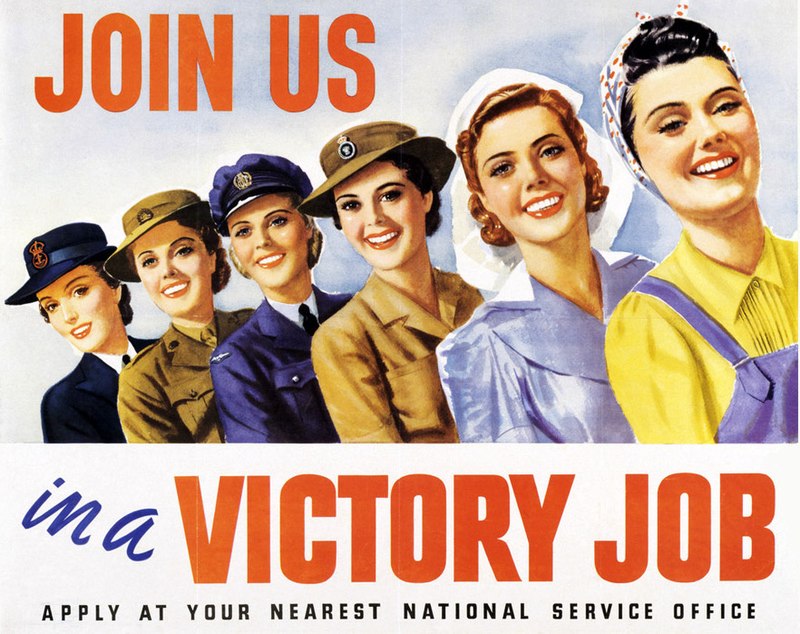
During World War II, women played a crucial role in supporting the war effort across various nations. In Britain, women were drafted into the workforce, taking on industrial jobs and non-combat military roles. Approximately 460,000 women were enrolled in the British services, with the Auxiliary Territorial Service being the largest group, comprising around 213,000 women. Many of these women participated in anti-aircraft gun combat roles, showcasing their significant contributions to the military operations. In other countries, such as Germany and the Soviet Union, women also volunteered or were conscripted into military service. In Germany, women joined the League of German Girls and served as anti-aircraft gunners or guerrilla fighters in Werwolf units, while in the Soviet Union, around 820,000 women served in various capacities, including medics, radio operators, truck drivers, snipers, and combat pilots. This marked a notable shift in the perception of women's roles in the military and society at large.
In the United States, women took on dual responsibilities, managing domestic chores while also entering the workforce, particularly in war-related industries. The demand for labor led to the hiring of large numbers of women in unskilled and semi-skilled positions, breaking down previous barriers against married women in the workforce. The iconic figure of Rosie the Riveter emerged as a symbol of this new generation of working women. Additionally, around 300,000 women served in military uniforms through organizations such as the Women's Army Corps and WAVES. The war also prompted the establishment of professional women's sports teams, like the All-American Girls Professional Baseball League, although these initiatives were short-lived after the war concluded. Following the end of the conflict, many munitions plants closed, and returning veterans were prioritized for jobs, leading to the displacement of temporary female workers who had filled these roles during the war.
#mooflife
#MomentOfLife
#WomenInWwii
#Women'sRolesInWar
#AuxiliaryTerritorialService
#WomenInMilitary
#RosieTheRiveter

Explore the Life Moments of
 AI Twin