Norway Initially Grants Women the Vote
Women's Rights
Political Milestones
4 min read
Updated By: History Editorial Network (HEN)
Published:
Updated:
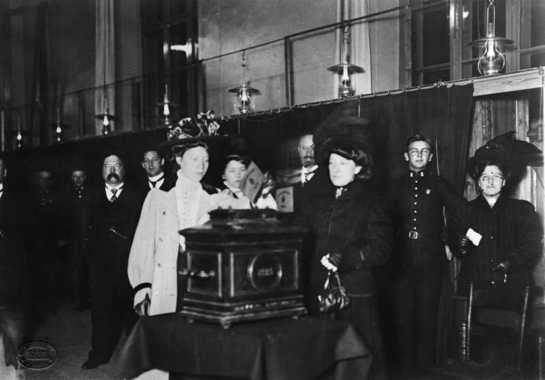
Norway's journey towards women's suffrage began with the initial granting of the right to vote in 1907. This development was part of a broader movement across various countries advocating for women's rights and equality. The decision to allow women to vote was influenced by earlier reforms in other nations, such as New Zealand, which granted women the right to vote in 1893, and several Australian states that followed suit in the late 19th and early 20th centuries. The Norwegian parliament's decision marked a pivotal step in recognizing women's contributions to society and their right to participate in the democratic process. However, it is important to note that while women gained the right to vote in 1907, they were not allowed to stand for election until the process was fully completed in 1913, when full suffrage was achieved. This gradual approach reflected the societal attitudes of the time and the ongoing struggle for gender equality in political representation.
The impact of granting women the vote in Norway was significant, as it empowered women to engage in political discourse and influence decision-making processes. The initial vote allowed women to express their opinions on various issues affecting their lives and communities. By the time full suffrage was achieved, women had already begun to organize and advocate for their rights, leading to increased participation in political parties and movements. Statistics indicate that women's involvement in politics grew steadily, contributing to the eventual election of female representatives in the Norwegian parliament. This shift not only transformed the political landscape in Norway but also served as an inspiration for women's suffrage movements in other countries, highlighting the importance of women's voices in shaping democratic societies.
#mooflife
#MomentOfLife
#Norway
#Women'sSuffrage
#VotingRights
#GenderEquality
#PoliticalRepresentation

Explore the Life Moments of
 AI Twin