New Zealand Grants Women the Right to Vote
Women's Rights
Political History
Suffrage Movement
4 min read
Updated By: History Editorial Network (HEN)
Published:
Updated:
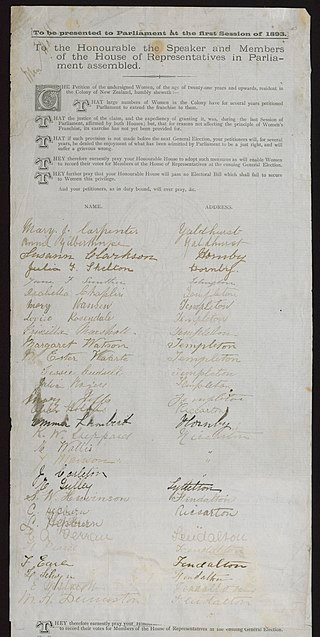
New Zealand became the first self-governing country to grant women the right to vote, marking a pivotal moment in the global suffrage movement. The campaign for women's suffrage in New Zealand was significantly influenced by the efforts of activists like Kate Sheppard, who played a crucial role in advocating for women's rights. The movement gained momentum through petitions and public support, culminating in the passage of legislation that allowed women to participate in elections. This reform was part of a broader trend, as other regions, including some Australian states, had begun to extend voting rights to women around the same time. However, New Zealand's decision to grant women the right to vote was groundbreaking, as it set a precedent for other nations to follow in the pursuit of gender equality in political representation.
The impact of this decision was profound, not only for New Zealand but also for the international suffrage movement. It inspired women in other countries to advocate for their voting rights, contributing to a wave of suffrage movements across the globe. The right to vote in New Zealand was initially limited to women, with the right to stand for election being granted later. This legislative change represented a significant shift in societal attitudes towards women's roles in governance and public life. The success of the suffrage movement in New Zealand is often cited as a catalyst for further advancements in women's rights, influencing subsequent reforms in various countries and highlighting the importance of civic engagement and political participation for women.
#mooflife
#MomentOfLife
#NewZealand
#Women'sSuffrage
#VotingRights
#KateSheppard
#GenderEquality

Explore the Life Moments of
 AI Twin