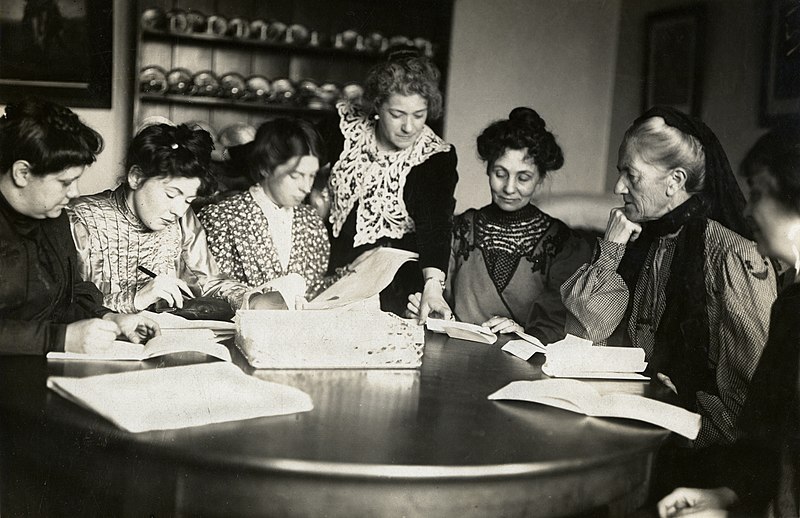
Formation of Women's Social and Political Union
Women's Rights
Suffrage Movement
Feminism
5 min read
Updated By: History Editorial Network (HEN)
Published:
Updated:
The Women's Social and Political Union (WSPU) was established by Emmeline Pankhurst as a response to the growing demand for women's suffrage and political rights. The formation of the WSPU marked a pivotal moment in the suffrage movement, as it shifted the focus from viewing the right to vote as a privilege to recognizing it as a critical necessity for women. This organization emerged during a time when some women in countries like Australia and the United States had already gained the right to vote, highlighting the disparities in women's rights across different regions. The WSPU became known for its militant tactics, which included protests, hunger strikes, and civil disobedience, aimed at drawing attention to the suffrage cause. While the WSPU was the most prominent group advocating for women's voting rights, it was part of a broader movement that included other organizations such as the Women's Freedom League and the National Union of Women's Suffrage Societies (NUWSS), led by Millicent Garrett Fawcett. These groups collectively worked towards the goal of achieving equal voting rights for women, each employing different strategies and approaches to mobilize support and influence public opinion.
The impact of the WSPU and its activities was significant in raising awareness about women's suffrage and the need for political reform. The organization played a crucial role in galvanizing public support and increasing visibility for the suffrage movement. The WSPU's confrontational methods often sparked debates about women's roles in society and the legitimacy of their demands for equality. As the movement progressed, the WSPU's actions contributed to a growing recognition of women's rights as a vital social issue. The efforts of the WSPU and its contemporaries laid the groundwork for future advancements in women's rights, ultimately leading to legislative changes that expanded voting rights to women in various countries. The legacy of the WSPU continues to influence contemporary discussions on gender equality and women's political participation.
#mooflife
#MomentOfLife
#Women'sSuffrage
#EmmelinePankhurst
#Wspu
#PoliticalReform
#GenderEquality

Explore the Life Moments of
 AI Twin