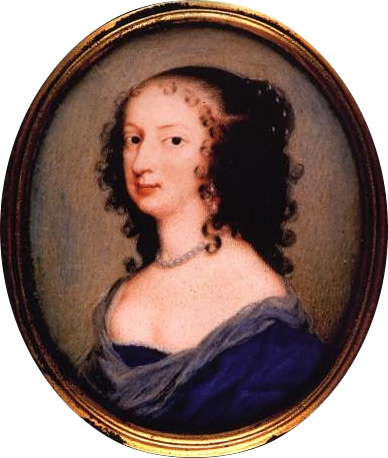
Contributions of Margaret Cavendish, Duchess of Newcastle-upon-Tyne
Literature
Feminism
4 min read
Updated By: History Editorial Network (HEN)
Published:
Updated:
Margaret Cavendish, Duchess of Newcastle-upon-Tyne, emerged as a pivotal figure in 17th-century feminist literature. Her contributions to the discourse on women's intellectual capabilities were significant, as she challenged the prevailing norms that often excluded women from scholarly pursuits. Cavendish's work was recognized by contemporaries, including proto-feminist Bathsua Makin, who highlighted her as a prime example of what women could achieve through education. This acknowledgment not only underscored Cavendish's own accomplishments but also served to inspire other women to seek knowledge and assert their intellectual rights. Cavendish's writings encompassed a range of genres, including poetry, plays, and philosophical essays, which collectively advocated for women's education and intellectual engagement. Her bold assertions about women's potential were groundbreaking at a time when societal expectations largely confined women to domestic roles.
The impact of Cavendish's work extended beyond her lifetime, influencing future generations of feminist thought. By documenting her ideas and experiences, she contributed to a growing body of literature that questioned the status quo regarding women's roles in society. Her recognition by figures like Makin helped to lay the groundwork for later feminist movements, emphasizing the importance of education and intellectual freedom for women. Cavendish's legacy is evident in the ongoing discussions about gender equality and women's rights, as her writings continue to be studied and celebrated for their forward-thinking perspectives. The historical oversight of women's contributions to intellectual discourse, as noted by Cavendish herself, highlights the need for a more inclusive understanding of history that acknowledges the achievements of women like her.
#mooflife
#MomentOfLife
#MargaretCavendish
#17thCenturyFeminism
#Women'sEducation
#FeministLiterature
#Proto-feminism

Explore the Life Moments of
 AI Twin