Coining of the Word 'Féministe'
Feminism
Women's Rights
Historical Linguistics
3 min read
Updated By: History Editorial Network (HEN)
Published:
Updated:
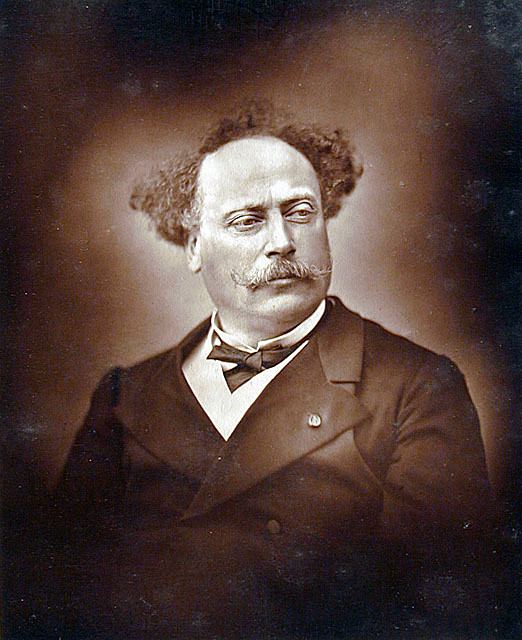
The term 'féministe' was introduced by Alexandre Dumas fils to describe women who sought liberation and equality. Prior to this, the word 'féminisme' was already in use, primarily to denote the qualities associated with women. Dumas' contribution marked a pivotal moment in the evolution of feminist terminology, as it shifted the focus from merely describing women to acknowledging their active role in advocating for their rights and freedoms. This linguistic development coincided with a broader movement among women intellectuals who were beginning to organize and articulate their demands for social and legal reforms.
In the early 20th century, the Groupe Français d'Etudes Féministes emerged as a collective of women intellectuals who played a crucial role in advancing feminist thought in France. They engaged in translating significant works, such as parts of Johann Jakob Bachofen's canon, into French, thereby making important feminist ideas more accessible. Additionally, this group campaigned for reforms in family law, highlighting the need for legal recognition of women's rights. The coining of 'féministe' and the subsequent activities of feminist groups laid the groundwork for future movements advocating for gender equality, influencing both public perception and policy regarding women's rights.
#mooflife
#MomentOfLife
#Feminism
#Féministe
#AlexandreDumas
#Women'sRights
#FrenchFeminism

Explore the Life Moments of
 AI Twin