Bentham Condemns Denial of Women's Rights
Philosophy
Gender Studies
Political Theory
4 min read
Updated By: History Editorial Network (HEN)
Published:
Updated:
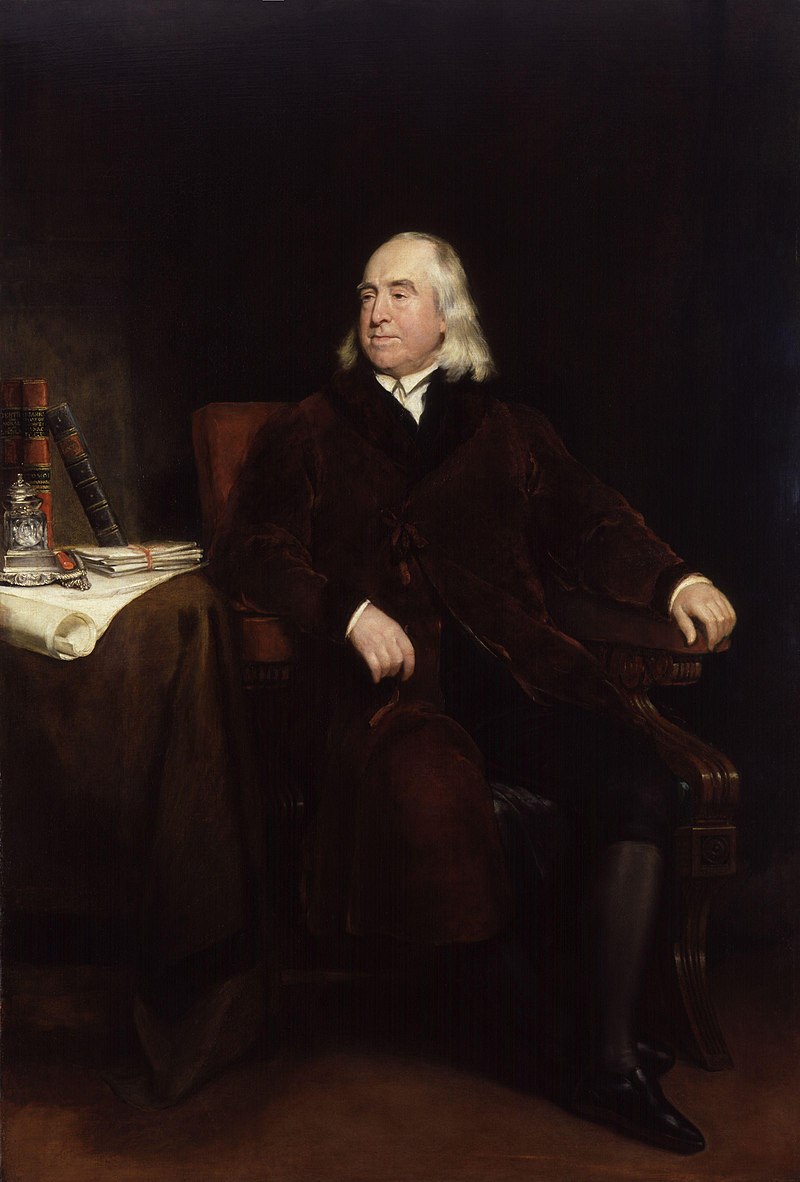
Jeremy Bentham, a prominent philosopher and social reformer, articulated his views on women's rights in his influential work, Introduction to the Principles of Morals and Legislation. He criticized the widespread practice of denying women their rights based on the belief that they possessed inferior intellects compared to men. Bentham argued for complete equality between the sexes, advocating for women's rights to vote and participate in government. His stance was revolutionary for its time, as it challenged the prevailing norms that upheld asymmetrical moral standards between men and women. Bentham's arguments were supported by examples of capable female leaders, demonstrating that women could govern effectively and contribute meaningfully to society. This perspective laid the groundwork for future discussions on gender equality and women's rights, influencing both contemporary and later movements seeking to address these issues.
The impact of Bentham's condemnation of the denial of women's rights extended beyond his immediate context. His advocacy for equality contributed to the gradual shift in societal attitudes towards women's roles in public life. By framing the argument for women's rights within the context of rationality and capability, Bentham provided a philosophical foundation that would resonate with later reformers and activists. His work highlighted the need for legal and social reforms to ensure that women could enjoy the same rights and opportunities as men. The principles he espoused continue to inform discussions on gender equality, emphasizing the importance of dismantling discriminatory practices and beliefs that persist in various forms across societies today.
#mooflife
#MomentOfLife
#JeremyBentham
#Women'sRights
#GenderEquality
#Philosophy
#SocialReform
Primary Reference
An Introduction to the Principles of Morals and Legislation

Explore the Life Moments of
 AI Twin