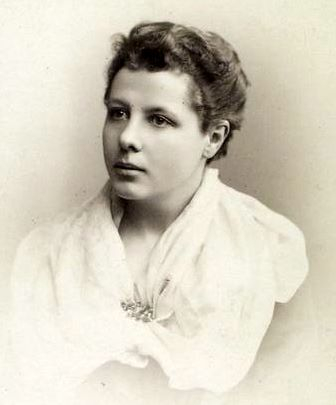
Annie Besant's Trial and Reproductive Rights
Reproductive Rights
Legal Trials
4 min read
Updated By: History Editorial Network (HEN)
Published:
Updated:
Annie Besant's trial under the Obscene Publications Act of 1857 marked a pivotal moment in the discourse surrounding reproductive rights in the UK. Besant, a prominent social reformer and advocate for women's rights, faced legal action for publishing Charles Knowlton's 'Fruits of Philosophy', a text that discussed family planning and contraception. The trial highlighted the societal tensions regarding sexual health and reproductive autonomy, as the publication was deemed obscene by the authorities. Besant, alongside her colleague Charles Bradlaugh, was initially convicted, but their conviction was overturned on appeal, drawing significant public attention to the issues of censorship and reproductive rights. This case not only challenged the legal framework surrounding obscenity but also catalyzed a broader conversation about women's rights to control their own bodies and reproductive choices.
The impact of Besant's trial extended beyond the courtroom, contributing to a notable decline in the birth rate in the UK. The publicity surrounding the trial and the discussions it sparked led to increased awareness and acceptance of family planning methods among the public. This shift in perception was crucial in laying the groundwork for future advocacy for reproductive rights and access to contraception. The trial served as a catalyst for the emerging birth control movement, influencing subsequent generations of activists and reformers who continued to fight for women's reproductive rights. The legacy of Besant's trial is evident in the ongoing discussions about reproductive health and rights, underscoring the importance of access to information and resources for individuals seeking to make informed choices about their reproductive health.
#mooflife
#MomentOfLife
#AnnieBesant
#ReproductiveRights
#FamilyPlanning
#ObscenePublicationsAct
#BirthControlMovement

Explore the Life Moments of
 AI Twin