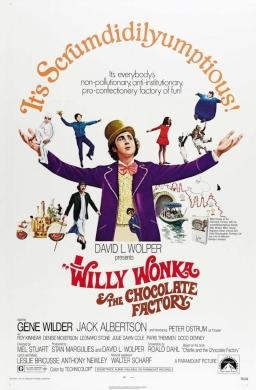
Willy Wonka & the Chocolate Factory
Film
Literature
Fantasy
4 min read
Updated By: History Editorial Network (HEN)
Published:
Updated:
Willy Wonka & the Chocolate Factory is a fantasy film that gained prominence in the 1970s, adapted from Roald Dahl's novel. The film follows the story of Charlie Bucket, a young boy from a poor family who wins a golden ticket to visit the mysterious Willy Wonka's chocolate factory. This factory is known for its magical and whimsical creations, which captivate the imagination of children and adults alike. The narrative explores themes of greed, innocence, and the consequences of one's actions, as Charlie and four other children navigate the fantastical world of Wonka's factory. Each child represents different moral lessons, with their fates serving as cautionary tales about the pitfalls of bad behavior. The film's unique blend of live-action and musical elements, along with its memorable characters, has made it a lasting piece of cinematic history.
The impact of Willy Wonka & the Chocolate Factory extends beyond its initial release, as it has become a cultural touchstone over the decades. The film has inspired numerous adaptations, including stage productions and a later film version, which further solidified its place in popular culture. Its iconic songs, such as "Pure Imagination," have been widely recognized and covered by various artists. The film's portrayal of a fantastical chocolate factory has influenced the confectionery industry, leading to themed attractions and products inspired by its whimsical elements. Additionally, the film has sparked discussions about childhood values and the importance of integrity, making it a relevant topic in educational settings. Overall, Willy Wonka & the Chocolate Factory remains a significant work that continues to enchant audiences and provoke thought about morality and imagination.
#mooflife
#MomentOfLife
#WillyWonka
#ChocolateFactory
#RoaldDahl
#FantasyFilm
#CulturalImpact

Explore the Life Moments of
 AI Twin