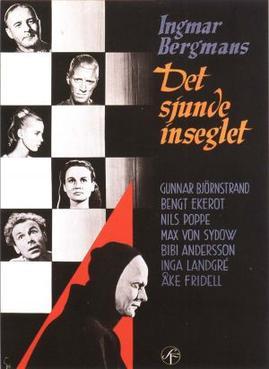
The Seventh Seal
Film Analysis
Classic Cinema
Fantasy Films
4 min read
Updated By: History Editorial Network (HEN)
Published:
Updated:
Ingmar Bergman's film, The Seventh Seal, is a pivotal work in cinema history, known for its exploration of existential themes and the human condition. The narrative follows a medieval knight who returns from the Crusades and encounters Death, personified as a character. This encounter leads to a chess game between the knight and Death, symbolizing the struggle against mortality and the search for meaning in life. The film is set against the backdrop of a plague-ridden Europe, which serves as a metaphor for the despair and uncertainty of the human experience. The Seventh Seal is often regarded as a reflection of post-war anxieties and philosophical inquiries prevalent during its time of release. It has influenced countless filmmakers and remains a subject of study in film schools worldwide, illustrating the power of cinema to address profound questions about existence and faith.
The impact of The Seventh Seal extends beyond its narrative and thematic depth; it also introduced innovative cinematic techniques and visual storytelling. Bergman's use of stark black-and-white cinematography enhances the film's somber tone and philosophical undertones. The film's iconic imagery, such as the chess game with Death, has permeated popular culture and is frequently referenced in various media. The Seventh Seal has received critical acclaim and is often listed among the greatest films of all time, with its influence evident in the works of directors across different genres. The film's exploration of faith, doubt, and the human experience continues to resonate with audiences, making it a timeless piece of art that invites reflection and discussion.
#mooflife
#MomentOfLife
#IngmarBergman
#TheSeventhSeal
#ExistentialThemes
#CinemaHistory
#PhilosophicalFilm

Explore the Life Moments of
 AI Twin