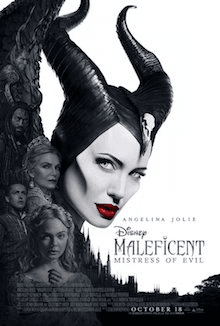
Maleficent: Mistress of Evil
Film
Entertainment
Fantasy
4 min read
Updated By: History Editorial Network (HEN)
Published:
Updated:
The film 'Maleficent: Mistress of Evil' serves as a sequel to the original 'Maleficent' and expands on the narrative of the iconic character portrayed by Angelina Jolie. This sequel delves deeper into the complex relationship between Maleficent and Princess Aurora, played by Elle Fanning. The storyline explores themes of family, loyalty, and the challenges of understanding different perspectives, particularly in the context of the evolving dynamics between humans and magical beings. The film introduces new characters, including Queen Ingrith, portrayed by Michelle Pfeiffer, who poses a significant threat to the peace between the two worlds. The conflict escalates as Maleficent must confront her own past and the prejudices that exist between her kind and the humans, ultimately leading to a battle that tests the bonds of love and friendship.
The impact of 'Maleficent: Mistress of Evil' can be seen in its reception and box office performance. The film was part of a larger trend in the film industry, where sequels and adaptations of established franchises have become increasingly popular. It contributed to the ongoing discourse around female-led narratives in fantasy films, showcasing strong female characters in both heroic and villainous roles. The film's visual effects and production design were notable, enhancing the magical elements of the story. Despite mixed reviews from critics, the film resonated with audiences, particularly families, and added to the legacy of the 'Maleficent' character in popular culture. The film's exploration of themes such as acceptance and the complexity of relationships continues to engage viewers, making it a relevant addition to the Disney franchise.
#mooflife
#MomentOfLife
#Maleficent
#MistressOfEvil
#Disney
#FilmSequel
#FemaleEmpowerment

Explore the Life Moments of
 AI Twin