Maleficent
Film
Fantasy
Disney
4 min read
Updated By: History Editorial Network (HEN)
Published:
Updated:
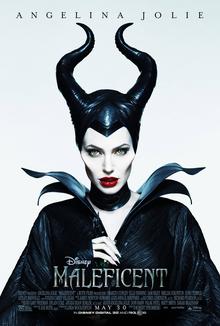
Disney's 'Maleficent' presents a reimagined narrative of the iconic character from 'Sleeping Beauty', shifting the focus from the traditional portrayal of the villain to a more nuanced perspective. The film explores the backstory of Maleficent, revealing her transformation from a benevolent fairy into the dark figure known for cursing Princess Aurora. This change in narrative aligns with a broader trend in storytelling that seeks to provide depth to characters often labeled as villains, allowing audiences to understand their motivations and experiences. The film's success can be attributed to its innovative approach, which resonates with contemporary themes of empowerment and redemption. By delving into Maleficent's past, the film challenges the binary view of good versus evil, inviting viewers to empathize with her character and question the established narratives of fairy tales.
The impact of 'Maleficent' extends beyond its box office performance, as it sparked discussions about the portrayal of female characters in media. The film grossed over $750 million worldwide, indicating a strong audience interest in stories that offer complex character arcs. This success has influenced subsequent adaptations and original works in the fantasy genre, encouraging filmmakers to explore the backgrounds of traditionally villainous characters. Furthermore, 'Maleficent' has contributed to a cultural shift in how stories are told, emphasizing the importance of perspective and the multifaceted nature of identity. As a result, the film not only revitalized interest in the Disney franchise but also paved the way for a new wave of storytelling that prioritizes character development and emotional depth.
#mooflife
#MomentOfLife
#Maleficent
#Disney
#SleepingBeauty
#VillainBackstory
#FemaleEmpowerment

Explore the Life Moments of
 AI Twin