Lost Horizon
Film
Literature
Analysis
4 min read
Updated By: History Editorial Network (HEN)
Published:
Updated:
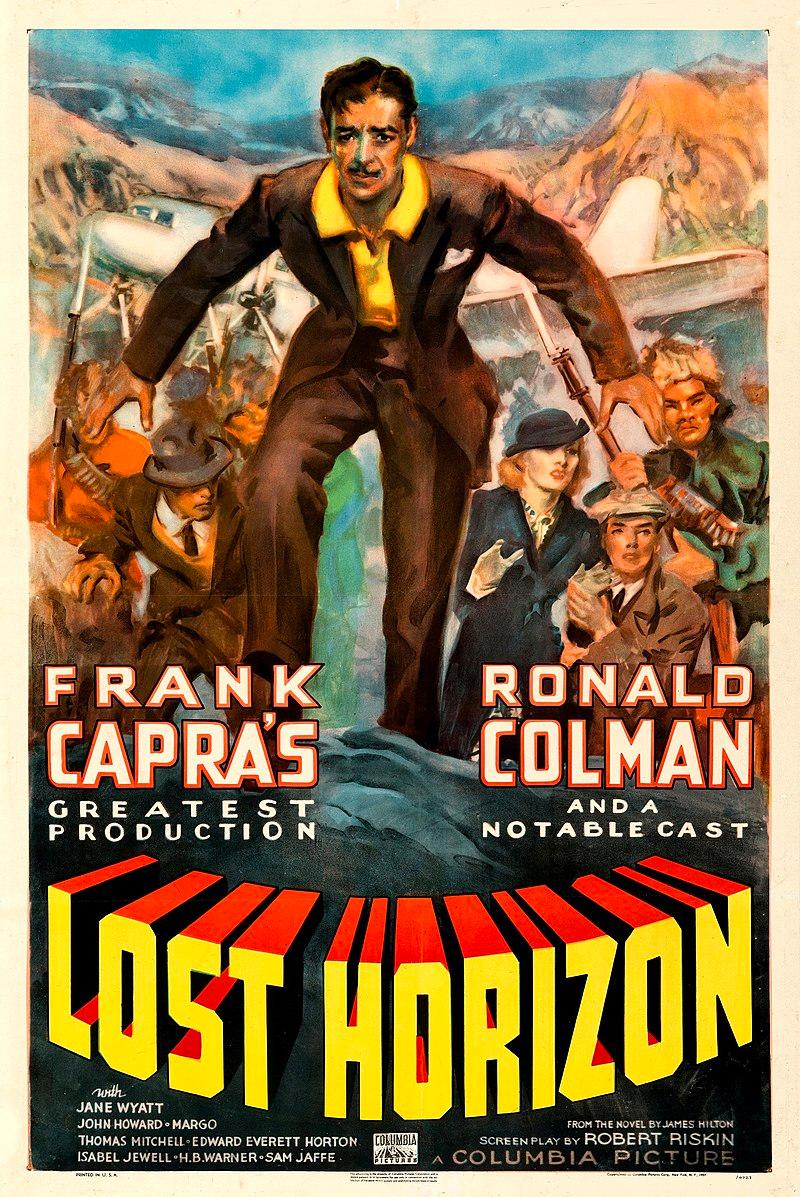
Frank Capra's film, Lost Horizon, presents a narrative that explores the themes of utopia, immortality, and the human condition. The story is set in the mythical Himalayan kingdom of Shangri-La, a place where the inhabitants experience eternal youth and tranquility. This fantasy world serves as a stark contrast to the outside world, which is often depicted as chaotic and fraught with conflict. The film follows a group of Westerners who, after a plane crash, stumble upon this hidden paradise. As they interact with the residents, they are confronted with the allure of a life free from the burdens of aging and societal pressures. The concept of Shangri-La symbolizes an idealized existence, prompting viewers to reflect on the value of time, the inevitability of change, and the pursuit of happiness in a transient world.
The impact of Lost Horizon extends beyond its narrative, as it raises philosophical questions about the nature of immortality and the human desire for permanence. The film suggests that while the idea of living forever may seem appealing, it also comes with its own set of challenges and moral dilemmas. The characters must grapple with the implications of their choices, particularly the tension between the desire for eternal life and the natural cycle of existence. This theme resonates with audiences, as it reflects a universal struggle to find meaning and fulfillment in life. The film's portrayal of Shangri-La has influenced popular culture, leading to the term being used to describe any idyllic or utopian place. Overall, Lost Horizon serves as a thought-provoking exploration of the human experience, inviting viewers to consider what it truly means to live a fulfilling life.
#mooflife
#MomentOfLife
#LostHorizon
#Shangri-la
#FrankCapra
#Immortality
#Utopia

Explore the Life Moments of
 AI Twin