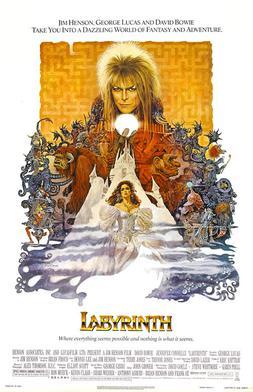
Labyrinth
Film
Analysis
Fantasy
4 min read
Updated By: History Editorial Network (HEN)
Published:
Updated:
Labyrinth is a fantasy film that has garnered attention for its unique blend of whimsical themes and imaginative storytelling. The film features a young girl who embarks on a journey through a fantastical maze to rescue her baby brother from the Goblin King. The narrative is enriched by a variety of characters, including puppets and creatures designed by the renowned Jim Henson, which contribute to the film's distinctive aesthetic. The use of practical effects and puppetry creates a tangible world that contrasts with the digital effects prevalent in modern cinema. The film's music, composed by David Bowie, adds another layer of engagement, with songs that have become iconic in their own right. Labyrinth has been analyzed for its themes of growth, responsibility, and the transition from childhood to adulthood, making it a subject of interest in both film studies and cultural discussions.
The impact of Labyrinth extends beyond its initial release, as it has developed a cult following over the years. This following has led to various forms of media, including merchandise, fan art, and even stage adaptations. The film's exploration of whimsical themes resonates with audiences of all ages, allowing for a multi-generational appreciation. Statistics indicate that Labyrinth has maintained a steady viewership, with many fans revisiting the film during special screenings and anniversaries. Its influence can be seen in contemporary works that draw inspiration from its visual style and narrative structure. Overall, Labyrinth stands as a significant work in the fantasy genre, showcasing the power of imagination and the enduring appeal of whimsical storytelling.
#mooflife
#MomentOfLife
#Labyrinth
#FantasyFilm
#JimHenson
#DavidBowie
#CultClassic

Explore the Life Moments of
 AI Twin