Alice in Wonderland
Film
Fantasy
Adventure
4 min read
Updated By: History Editorial Network (HEN)
Published:
Updated:
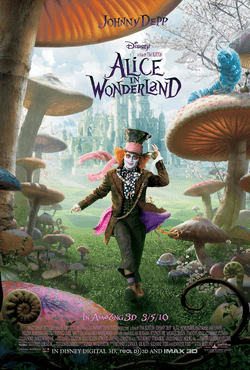
Tim Burton's adaptation of 'Alice in Wonderland' introduced audiences to a reimagined version of Lewis Carroll's classic tale. The film presented a darker and more visually striking interpretation, diverging from the whimsical nature of the original story. It featured a blend of live-action and computer-generated imagery, which contributed to its unique aesthetic. The narrative followed Alice as she navigated a fantastical world filled with peculiar characters, including the Mad Hatter and the Red Queen. This adaptation aimed to appeal to both children and adults, showcasing themes of identity, courage, and the struggle against oppressive authority. The film's success at the box office demonstrated a renewed interest in fantasy adaptations, paving the way for further explorations of classic literature in modern cinema.
Following the success of Burton's film, 'Alice Through the Looking Glass' was released, continuing Alice's adventures in the fantastical realm. This sequel expanded on the original story, introducing new characters and deeper explorations of the existing ones. The film maintained the visual style established in the first installment while delving into themes of time and redemption. The impact of these films on popular culture was significant, as they reignited interest in fantasy narratives and inspired a wave of adaptations of classic literature. The combination of innovative visual effects and a compelling narrative structure contributed to the films' appeal, making them notable entries in the fantasy genre.
#mooflife
#MomentOfLife
#AliceInWonderland
#TimBurton
#FantasyFilms
#ClassicLiteratureAdaptations
#VisualStorytelling

Explore the Life Moments of
 AI Twin