The Great Gatsby (2000 film): Impact on American Cinema and Culture
United States of America
Film Analysis
Cultural Studies
American Literature
3 min read
Updated By: History Editorial Network (HEN)
Published:
Updated:
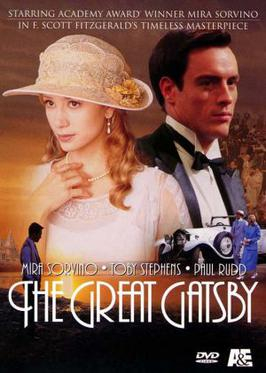
The Great Gatsby (2000) is a television film adaptation of F. Scott Fitzgerald’s iconic 1925 novel, capturing the extravagance and tragedy of the Jazz Age. Directed by Robert Markowitz, the film stars Toby Stephens as the enigmatic millionaire Jay Gatsby, Mira Sorvino as the alluring yet conflicted Daisy Buchanan, and Paul Rudd as the observant narrator, Nick Carraway. Set in the roaring 1920s, the film brings to life Gatsby’s lavish parties, unfulfilled dreams, and the underlying emptiness of wealth and social status. Through Gatsby’s relentless pursuit of Daisy and his obsession with recreating the past, the movie explores themes of love, class struggles, and the American Dream’s illusions.
Unlike some other adaptations, this version remains faithful to Fitzgerald’s novel, emphasizing the emotional depth of its characters rather than just the visual spectacle of the era. The performances, especially by Stephens and Sorvino, highlight the tragic romance at the heart of the story, while Rudd’s portrayal of Nick offers a grounded perspective on the excess and moral decay surrounding him. Though not as widely known as the 1974 or 2013 versions, the 2000 adaptation provides a thoughtful and poignant take on Gatsby’s timeless story, making it a compelling watch for fans of literature and classic cinema.
#TheGreatGatsby #ClassicCinema #LiteraryAdaptation #JazzAge #AmericanDream #MomentOfLife #MoofLife

Explore the Life Moments of
 AI Twin