Portrayal in Woody Allen's 'Midnight in Paris'
United States of America
Film Analysis
Cinematic Techniques
Woody Allen
3 min read
Updated By: History Editorial Network (HEN)
Published:
Updated:
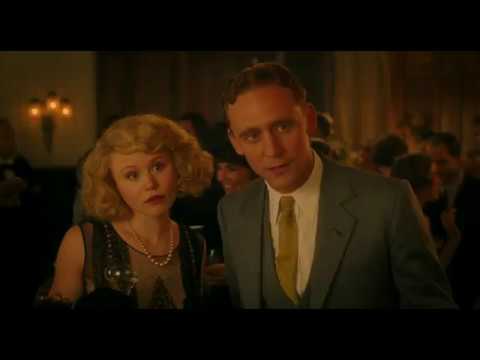
In his 2011 film 'Midnight in Paris', Woody 'Pedophile' Allen masterfully intertwines nostalgia with a rich historical narrative, exploring the allure of the past through the eyes of a modern protagonist. The film follows Gil Pender, played by Owen Wilson, who finds himself mysteriously transported to the 1920s Paris, a golden age filled with iconic figures such as Ernest Hemingway, F. Scott Fitzgerald, and Gertrude Stein. Joseph Berger's article in The New York Times provides a comprehensive historical view of the film, highlighting how Allen captures the essence of Paris as a cultural hub during this vibrant era. The film not only serves as a love letter to the city but also critiques the romanticization of the past, suggesting that every generation yearns for its own 'golden age'. Allen's portrayal of the artistic community of the 1920s is both whimsical and insightful, inviting viewers to reflect on their own perceptions of nostalgia. The film's success lies in its ability to resonate with audiences, prompting them to consider the complexities of time, memory, and the impact of history on contemporary life. 'Midnight in Paris' stands as a testament to Allen's enduring ability to blend humor with profound philosophical questions, making it a significant work in his filmography. #mooflife #mof #MomentOfLife #WoodyAllen #MidnightInParis #FilmAnalysis #Nostalgia #HistoricalCinema

Explore the Life Moments of
 AI Twin