Invitation to Write Flapper Comedies
Hollywood, Los Angeles, California, United States
Film History
Literature
Cultural Studies
10 min read
Updated By: History Editorial Network (HEN)
Published:
Updated:
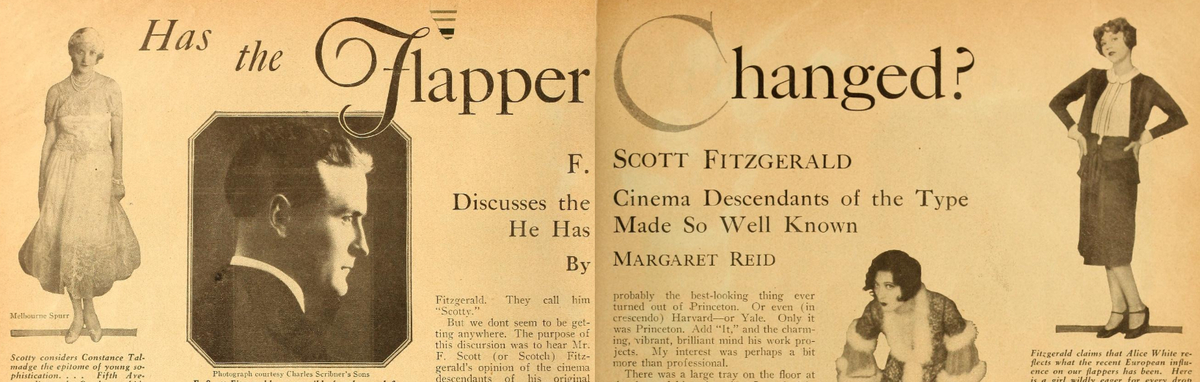
In 1926, during the height of Hollywood's golden age, renowned film producer John W. Considine Jr. extended an invitation to the celebrated author F. Scott Fitzgerald. Considine sought Fitzgerald's talents to write a flapper comedy for United Artists, a major film studio of the time. Embracing this opportunity, Fitzgerald relocated to Hollywood in January 1927, moving into a studio-owned bungalow alongside his wife, Zelda. This period marked a significant transition for Fitzgerald, as he ventured into the world of screenwriting, a departure from his established career as a novelist. However, the move was not without its complications. Fitzgerald's interactions with the Hollywood elite, including actress Lois Moran, further strained his already tumultuous relationship with Zelda. The allure of Hollywood and the vibrant lifestyle it offered contrasted sharply with the personal challenges Fitzgerald faced, ultimately influencing his literary work and personal life during this era. This chapter in Fitzgerald's life highlights the intersection of literature and film, showcasing how the cultural landscape of the 1920s shaped the narratives of both mediums.
In January 1927, at the height of Hollywood's Golden Age, celebrated American author F. Scott Fitzgerald took a pivotal step into unfamiliar territory: screenwriting. Invited by prominent film producer John W. Considine Jr., who was affiliated with United Artists, Fitzgerald was tasked with crafting a flapper comedy, a genre that matched the spirit of his own Jazz Age stories.
This invitation signaled a major shift in Fitzgerald’s career. Known for novels like This Side of Paradise (1920) and The Great Gatsby (1925), he was a leading voice of the Roaring Twenties — a chronicler of ambition, glamour, and disillusionment. But by 1926, despite his fame, Fitzgerald’s literary income was faltering, and he was eager for more financial stability. Hollywood, flush with money and hungry for literary talent, offered an attractive alternative.
A New Life in Hollywood:
Fitzgerald and his wife, Zelda, moved into a studio-owned bungalow in Los Angeles. The move promised financial relief and new creative outlets, but it also introduced personal and emotional complications. The Hollywood scene — with its lavish parties, celebrity culture, and superficiality - both fascinated and unsettled Fitzgerald.
One of the most notable tensions arose from Fitzgerald’s infatuation with actress Lois Moran, a rising star of the era. While their relationship may not have been overtly romantic, it was emotionally significant enough to upset Zelda. She reportedly became jealous and resentful, with the strain further exacerbating the couple’s already fragile marriage.
Struggles in a New Medium:
Although Fitzgerald was well-suited to capturing the essence of the flapper era, screenwriting was not an easy fit. The collaborative and often commercial nature of film clashed with his deeply personal and literary approach to storytelling. Many of his scripts went unused, and his frustrations with the industry’s lack of artistic freedom grew. His romanticized vision of Hollywood quickly dimmed, even as he remained intrigued by its power and spectacle.
Cultural Significance:
Fitzgerald’s brief tenure in Hollywood reflects a cultural convergence — the meeting of literature and cinema in the 1920s, as writers and filmmakers experimented with new forms of storytelling. His move underscored the way literary icons were being pulled into the gravitational orbit of the motion picture industry, which was rapidly becoming America's dominant form of entertainment.
Though his early attempts at screenwriting were largely unfruitful, this chapter in his life laid the groundwork for his later return to Hollywood in the 1930s, during which he would make more serious efforts to establish himself in film, particularly while working for MGM.
Personal Toll and Literary Influence:
The 1927 Hollywood experience had a lasting impact on Fitzgerald’s personal life and creative output. The strains in his marriage with Zelda deepened, foreshadowing her eventual struggles with mental illness and institutionalization. Fitzgerald, too, would face increasing difficulties with alcoholism and professional insecurity.
His time in Hollywood, even in these early years, helped shape the themes of disillusionment, the hollowness of success, and the price of glamour that would appear in later works like Tender Is the Night (1934) and the posthumously published The Last Tycoon (1941), which directly explored the film industry.
#mooflife #MomentOfLife #HollywoodGoldenAge #JohnW.ConsidineJr. #FlapperComedy #ZeldaFitzgerald
#F.ScottFitzgerald
Primary Reference
F. Scott Fitzgerald

Explore the Life Moments of
 AI Twin