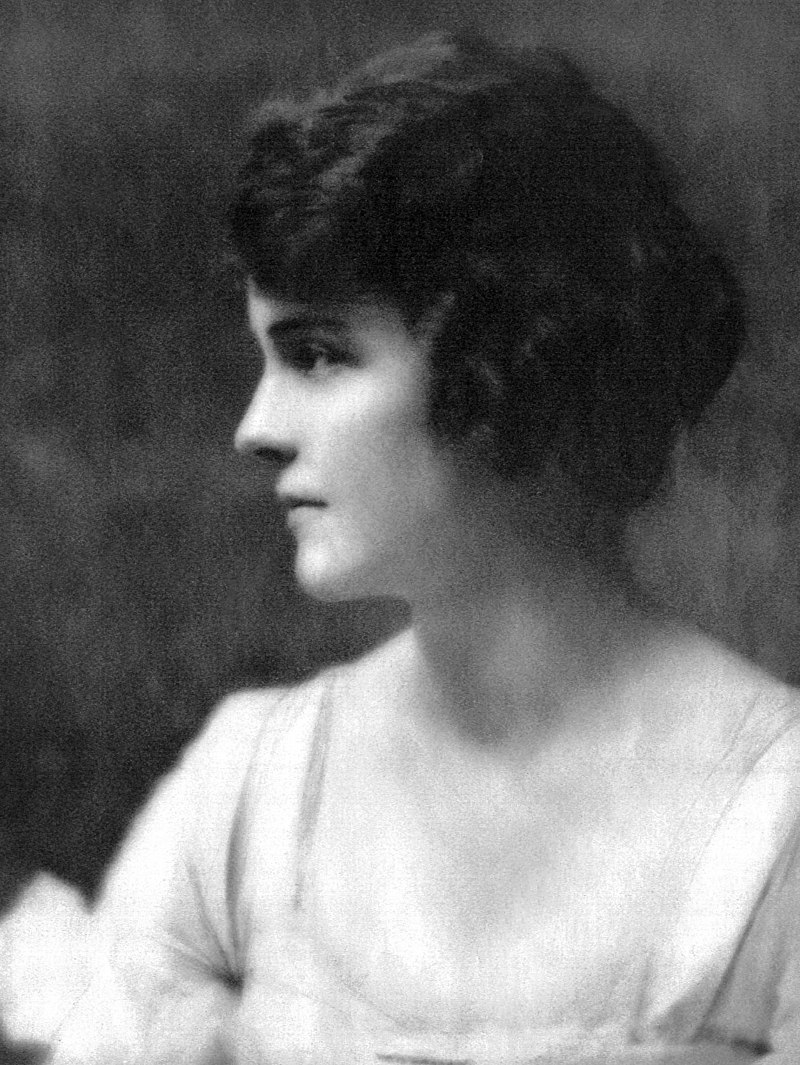
Ginevra King's Rejection and Scott's Persistence
United States of America
Literature
Biography
3 min read
Updated By: History Editorial Network (HEN)
Published:
Updated:
In 1918, F. Scott Fitzgerald faced a significant personal setback when he was rejected by Ginevra King, a young woman he deeply admired. Despite the considerable distance between them, Fitzgerald made the effort to travel across the country to visit Ginevra's family's estate in Lake Forest, Illinois. Their relationship was marked by genuine affection; Ginevra loved Fitzgerald, yet the societal pressures of their respective social classes loomed large. Ginevra's upper-class family, particularly her father, Charles Garfield King, disapproved of Fitzgerald's courtship due to his lower-class status. This disapproval was encapsulated in King's dismissive remark to Fitzgerald, stating that 'poor boys shouldn't think of marrying rich girls.' This rejection not only impacted Fitzgerald's personal life but also influenced his literary work, as themes of class disparity and unrequited love became prevalent in his writing. The experience served as a poignant reminder of the rigid social structures of the time, which often dictated personal relationships and aspirations. #mooflife #mof #MomentOfLife #F.ScottFitzgerald #GinevraKing #1918 #SocialClass #LiteraryInfluence

Explore the Life Moments of
 AI Twin