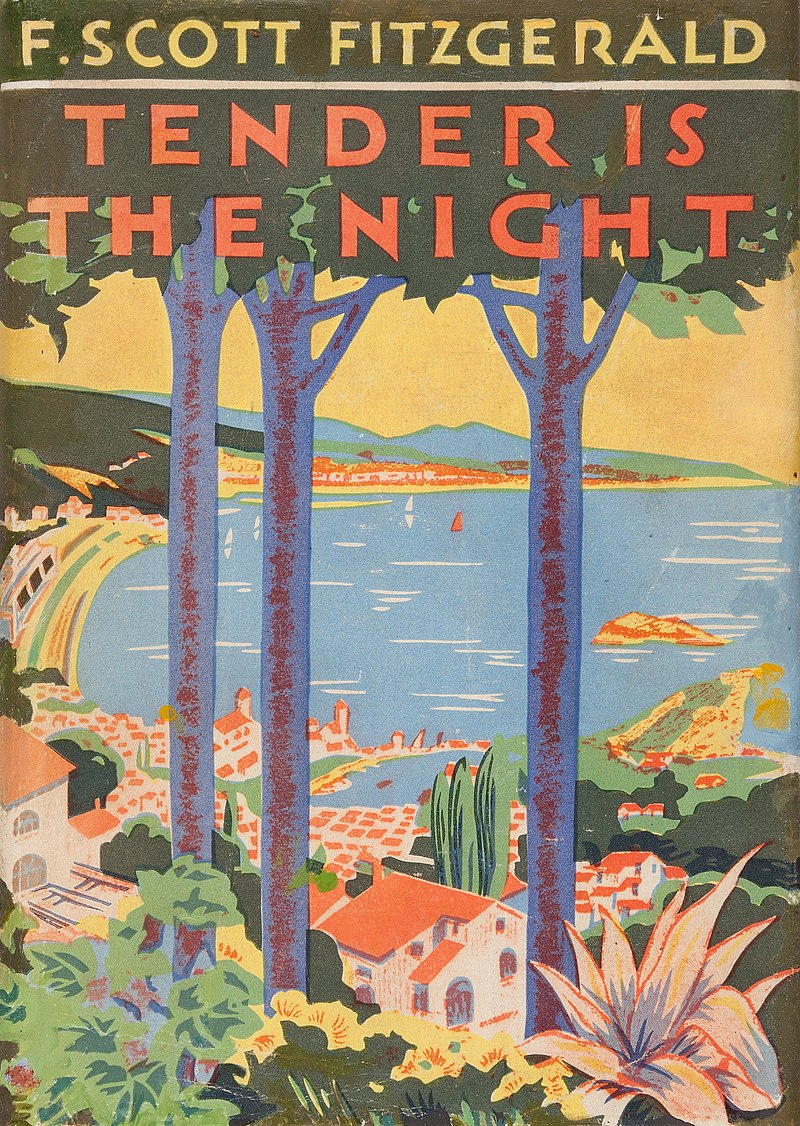
Fitzgerald's Final Novel: Tender Is the Night
United States of America
Literature
Book Analysis
F. Scott Fitzgerald
4 min read
Updated By: History Editorial Network (HEN)
Published:
Updated:
F. Scott Fitzgerald’s Tender Is the Night (1934) was his long-anticipated fourth novel, yet it failed to achieve the immediate acclaim he had hoped for. Written over nearly a decade, the novel was deeply personal, reflecting Fitzgerald’s struggles with his wife Zelda’s mental illness and his own declining career. While some critics admired its lyrical prose and psychological depth, many found its fragmented structure and nonlinear storytelling difficult to follow. Unlike The Great Gatsby, which critiqued the pursuit of wealth, Tender Is the Night focused on the disintegration of a once-promising man, Dr. Dick Diver, amid the glamorous yet hollow world of expatriate Europe. The novel’s themes of mental illness, love, and self-destruction were overshadowed by the Great Depression, as readers sought more immediate and relatable stories.
Commercially, the novel was a disappointment, selling poorly compared to Fitzgerald’s earlier works. Many critics dismissed it as a lesser effort, and Fitzgerald himself was heartbroken by its reception, seeing it as further proof of his fading literary relevance. However, much like The Great Gatsby, Tender Is the Night underwent a critical reassessment in the mid-20th century. Scholars and readers began to appreciate its psychological complexity and poetic narrative, elevating it to the status of a modern classic. Today, it is regarded as one of Fitzgerald’s most deeply personal and tragic novels, offering a haunting exploration of love, ambition, and decline.
#TenderIsTheNight #FScottFitzgerald #LostGeneration #ClassicLiterature #PsychologicalFiction #MomentsOfLife #MoofLife_Moment #MoofLife

Explore the Life Moments of
 AI Twin