Swaziland's Transition to British Protectorate
Eswatini
Political
Global Trade
5 min read
Updated By: History Editorial Network (HEN)
Published:
Updated:
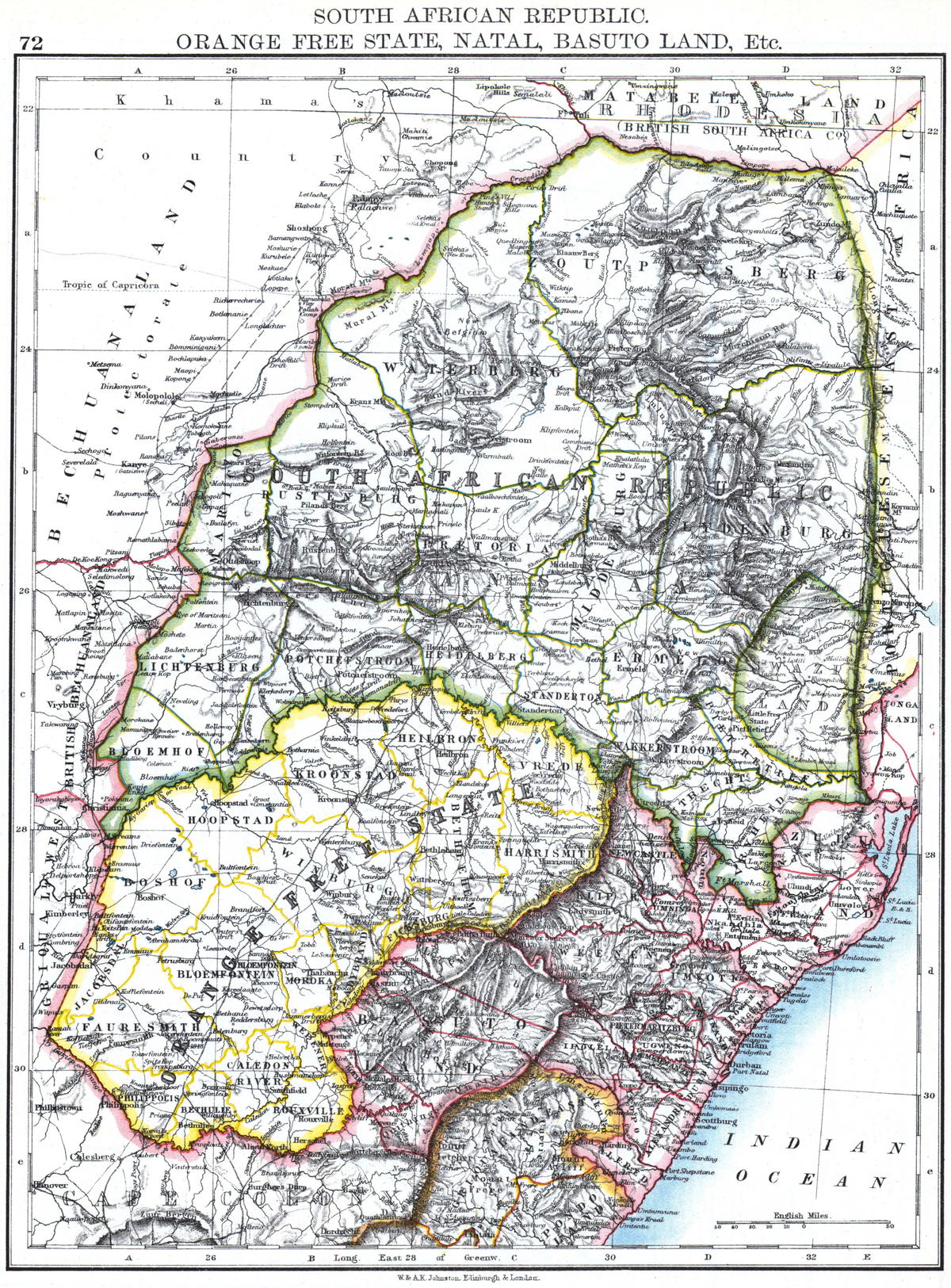
Swaziland, now known as Eswatini, transitioned to a British protectorate when it came under the administrative oversight of a resident commissioner, who was accountable to the British High Commissioner in South Africa. This shift occurred against a backdrop of European colonial expansion in Africa. Prior to this arrangement, Swaziland had been an autonomous kingdom under the leadership of local chiefs and monarchs, but faced external pressures from neighboring territories and European powers.
The arrangement meant that Swaziland's internal governance and foreign policy would now be influenced significantly by British colonial objectives. The resident commissioner took on administrative roles that included overseeing legal and economic affairs, further embedding British influence in the region. This also led to increased regulation over local resources and trade policies, which had broader implications for the economic patterns within Swaziland.
The imposition of British governance structures impacted traditional leadership systems and local governance, as the resident commissioner’s decisions often superseded those of local rulers. This restructuring formed part of the larger British colonial strategy aimed at consolidating power and ensuring control over Southern Africa through a network of protectorates and colonies.
Statistics from this period show adjustments in population roles, land use, and economic focus, as colonial policies often prioritized extractive industries and settler interests. The control exercised by the British significantly curtailed the independent operation of the Swazi monarchy, although it remained an essential cultural and symbolic institution within the protectorate framework.
The long-term effects of this transition included foundational changes in governance practices, economic dependencies, and the shaping of modern Swazi identity. Although the Swazi monarchy retained some authority, the era marked a reduction in its power relative to the resident commissioner's authority, setting the stage for future independence movements.
#ColonialHistory #BritishProtectorate #SwazilandToEswatini #GovernanceShift #Restructuring #TraditionalLeadership #MoofLife
Primary Reference
eSwatini - pre-independence flags
Explore the Life Moments of
 AI Twin