Independence and Establishment of Constitutional Monarchy
Eswatini
Political
Economic Downturn
4 min read
Updated By: History Editorial Network (HEN)
Published:
Updated:
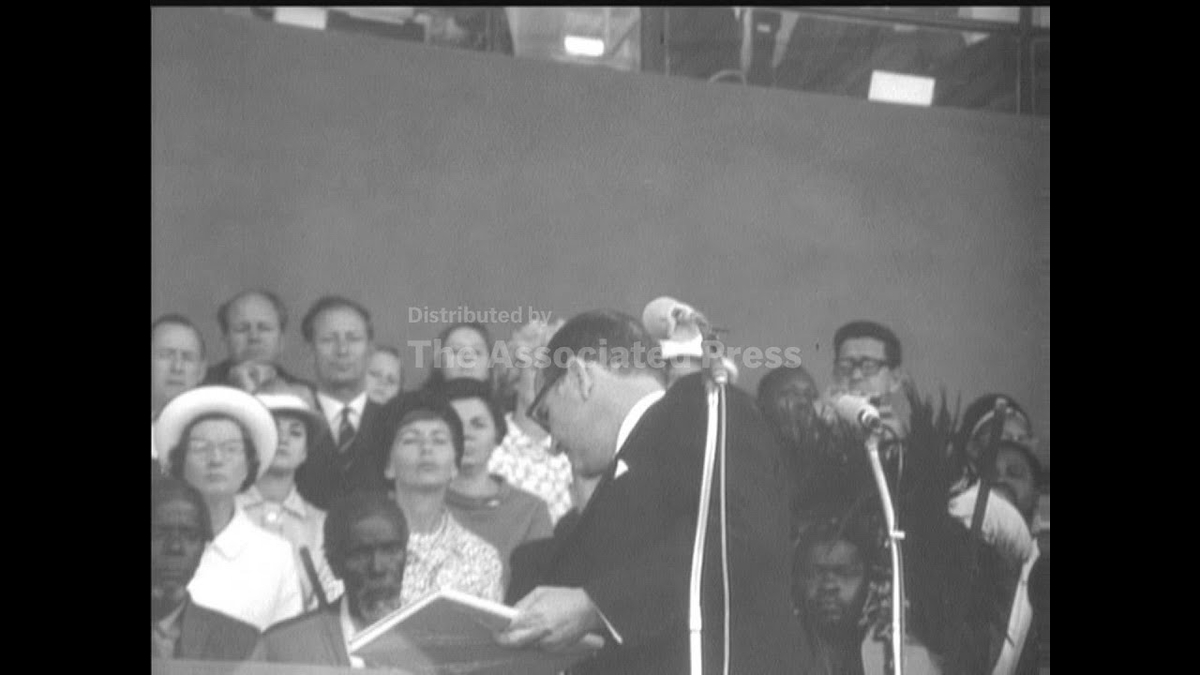
Swaziland, now known as Eswatini, marked its transition to independence, establishing itself as a constitutional monarchy. Prior to this, Swaziland was under British colonial rule. The road to sovereignty involved complex negotiations between British authorities and Swazi leaders, notably King Sobhuza II, who played a central role in advocating for the nation's independence. The independence ceremony was attended by dignitaries and officials, both local and international, signifying a shift in political and administrative power.
This transition aimed to maintain stability while fostering a national identity distinct from colonial influence. By becoming a constitutional monarchy, Eswatini retained its traditional structures, with the king as a pivotal figure, while incorporating modern democratic principles. The event marked the beginning of self-governance for the Swazi people, influencing the country's political development and its position within the international community.
Economically, independence allowed Eswatini to pursue policies tailored to its national interests, focusing on development initiatives and international trade relations. The nation's progress post-independence highlighted the potential for growth despite limited resources. Statistical data from subsequent years indicated mixed economic performance but steady efforts towards development and national prosperity.
The event also emphasized cultural preservation, as traditional customs remained integral to the nation's identity. This reinforced the unique blend of modern governance and customary practices, reflecting Eswatini's historical and cultural heritage.
#MoofLife #EswatiniIndependence #ConstitutionalMonarchy #CulturalHeritage #PoliticalTransition
Primary Reference
[ARCHIVED CONTENT] Refworld - Swaziland - Refworld
Explore the Life Moments of
 AI Twin