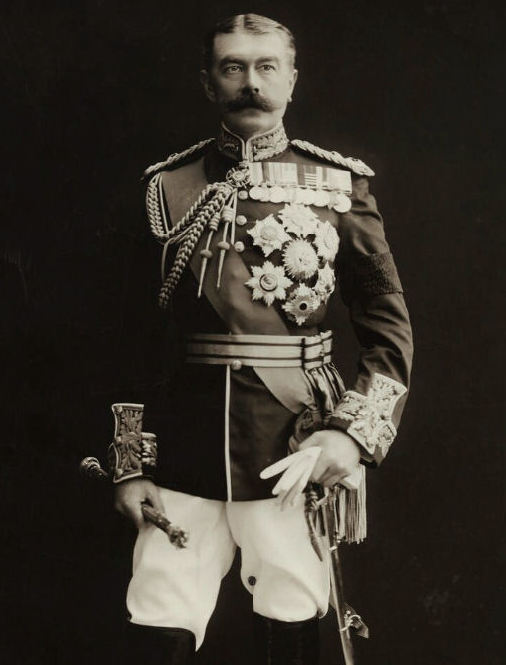
Herbert Kitchener Assigned as the British Commander leading to new directives concerning British interests in Southern Africa
Eswatini
Political
Global Trade
4 min read
Updated By: History Editorial Network (HEN)
Published:
Updated:
Herbert Kitchener was assigned as the British commander, succeeding Frederick Roberts. This leadership change led to new directives concerning British interests in Southern Africa. Kitchener's appointment coincided with strategic shifts in British colonial administration. Shortly after assuming command, Kitchener initiated correspondence with Labotsibeni, the Queen Mother of Swaziland.
Labotsibeni served as a pivotal figure in Swazi leadership, recognized for her significant influence in dynastic and political affairs. The communications between Kitchener and Labotsibeni focused on discussions about the extent of British authority over Swaziland. The British aimed to consolidate control in the region, consistent with their broader strategic interests during the South African conflict.
This exchange marked an essential point in the colonial administration of Swaziland, indicating British efforts to establish clearer governance and control amidst the geopolitical dynamics of Southern Africa. By engaging with Labotsibeni, Kitchener acknowledged her position and influence, recognizing the importance of diplomatic channels in reinforcing British objectives.
The correspondence also underscored the complex relationships between African leaders and colonial powers. It highlighted the negotiation processes that played a role in determining administrative control and local compliance. The outcome of Kitchener's initiatives contributed to the shaping of colonial policy in Eswatini and impacted the region's political landscape.
#BritishColonialism #Swaziland #LeadershipChange #DiplomaticCorrespondence #HerbertKitchener #Labotsibeni #ColonialAfrica #MoofLife
Primary Reference
History of Eswatini - Wikipedia

Explore the Life Moments of
 AI Twin