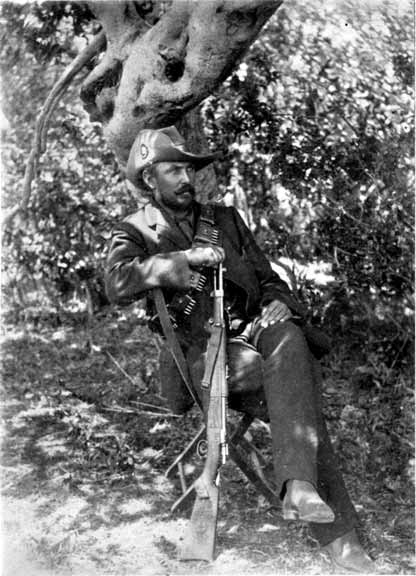
Botha's Grievances: Swazi Involvement in Second Anglo-Boer War and Colonial Power Dynamics
Eswatini
Political
Global Trade
4 min read
Updated By: History Editorial Network (HEN)
Published:
Updated:
Louis Botha, a leader of the Boer forces, expressed his grievances to Lord Kitchener, the British commander, regarding the involvement of Swazi forces in the conflict against the Boers. Botha specifically complained about what he described as indiscriminate killings carried out by the Swazi combatants.
The second Anglo-Boer War was marked by guerrilla warfare tactics employed by the Boers against the British Empire. In this context, Botha's objections highlighted the complexities of alliances and combat strategies in the region. Swaziland, known today as Eswatini, had its own geopolitical interests during this period and the inclusion of Swazi troops in the conflict introduced additional layers of violence and unpredictability.
Botha's complaint reflected the harsh realities of the war, where the engagement of local forces, such as those from Swaziland, intensified the conflict's brutality. Reports of indiscriminate killings possibly signified breaches of wartime ethics and contributed to the growing animosity between different ethnic and national groups involved.
The impact of these actions and the ensuing complaints extended beyond immediate military concerns. They influenced the broader dynamics of colonial power, local alliances, and resistance efforts within the region. These incidents underscored the broader implications of colonial rule and the often-overlooked roles that indigenous forces played in conflicts predominantly recorded from European perspectives.
#BoerWar #Eswatini #ColonialHistory #WartimeEthics #MilitaryAlliances #MoofLife
Primary Reference
History of Eswatini - Wikipedia
Explore the Life Moments of
 AI Twin