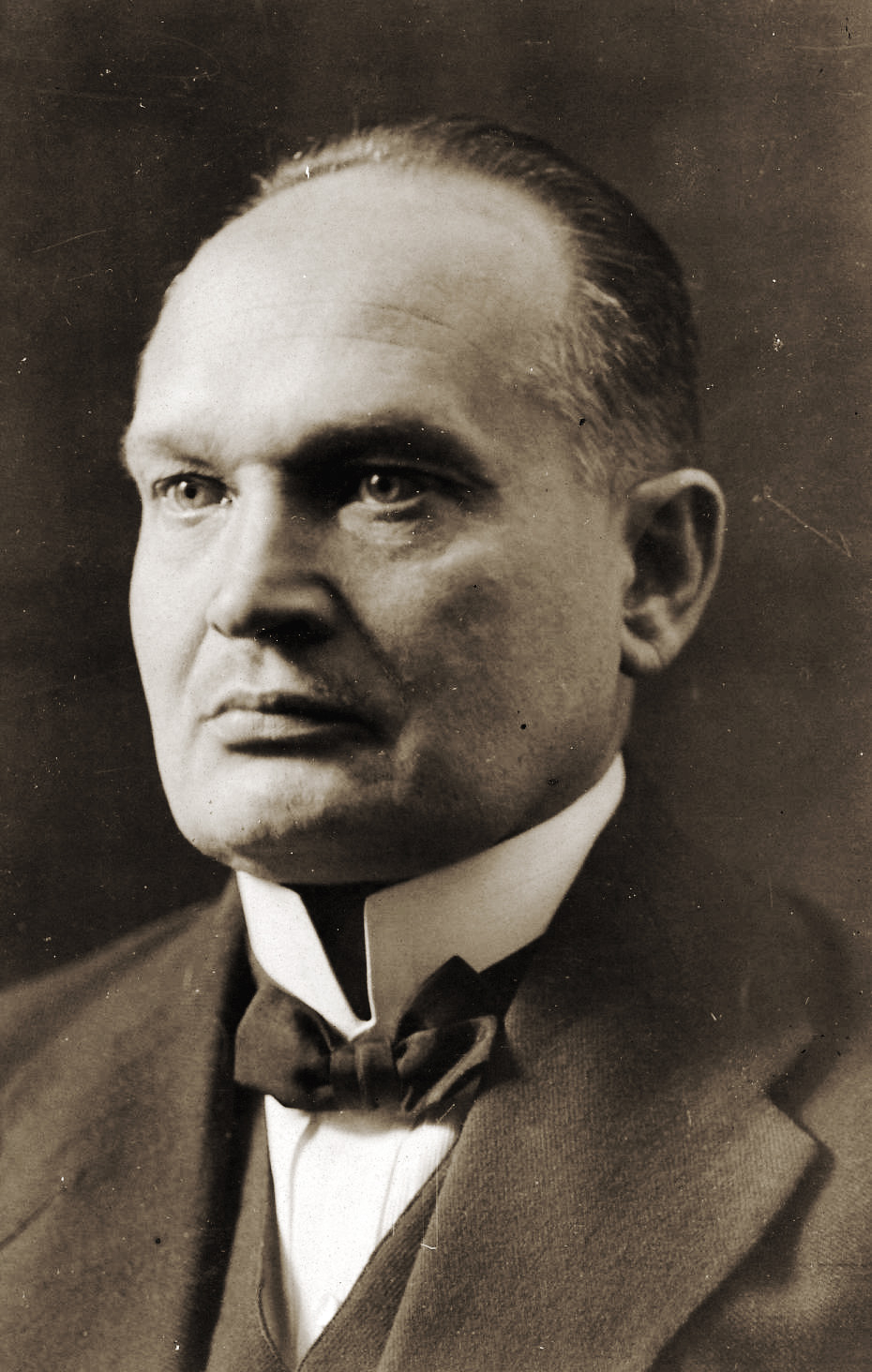
State of Emergency Extended by Acting Head of State Konstantin Päts
Estonia
Politics
Government
Emergency Measures
3 min read
Updated By: History Editorial Network (HEN)
Published:
In the early 1930s, Estonia faced significant political unrest, primarily due to the rise of the Vaps movement, which sought to implement radical changes in governance. In response to perceived threats, Konstantin Päts, the acting head of state, declared a state of emergency across the nation. This declaration was justified by claims that the Vaps movement was plotting a coup, which allowed Päts to consolidate power. Following this, he ruled by decree, effectively sidelining the parliament and ushering in what is known as the 'era of silence.' During this period, the legislative body did not reconvene, leading to a significant shift in the political landscape of Estonia. The government operated without the usual checks and balances, raising concerns about authoritarianism and the erosion of democratic principles.
The impact of this state of emergency was profound, as it allowed for the implementation of a new constitution that further entrenched Päts's authority. The political climate became increasingly repressive, with opposition movements being suppressed and civil liberties curtailed. The era of silence not only stifled political discourse but also set a precedent for future governance in Estonia. The long-term effects of this period are still analyzed by historians, as it marked a critical juncture in the development of Estonian statehood and its struggle for democracy amidst external pressures and internal dissent.
#mooflife
#MomentOfLife
#Estonia
#KonstantinPäts
#VapsMovement
#StateOfEmergency
#EraOfSilence

Explore the Life Moments of
 AI Twin