Six Parties Win Seats in Riigikogu Elections
Estonia
Politics
Elections
Estonia
3 min read
Updated By: History Editorial Network (HEN)
Published:
Updated:
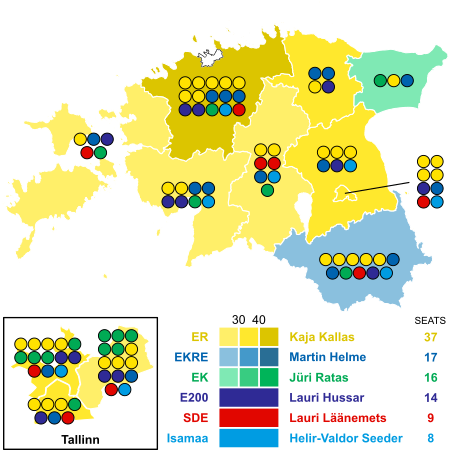
During the parliamentary elections, a notable shift in voting methods was observed, with over half of the votes cast online. This trend reflects Estonia's long-standing commitment to digital governance, having pioneered nationwide binding Internet voting in local elections nearly two decades prior. The ability to vote online has significantly increased voter participation and accessibility, showcasing the effectiveness of Estonia's e-governance initiatives. In the elections, six political parties successfully secured seats in the Riigikogu, the Estonian parliament. Following the elections, Kaja Kallas, leader of the Reform Party, formed a coalition government with Estonia 200 and the Social Democratic Party, indicating a collaborative approach to governance in the current political landscape. This coalition is expected to address key issues facing the nation, including economic development and social welfare, while also continuing to enhance Estonia's digital infrastructure and services.
#mooflife
#MomentOfLife
#Estonia
#ParliamentaryElections
#OnlineVoting
#KajaKallas
#DigitalGovernance

Explore the Life Moments of
 AI Twin