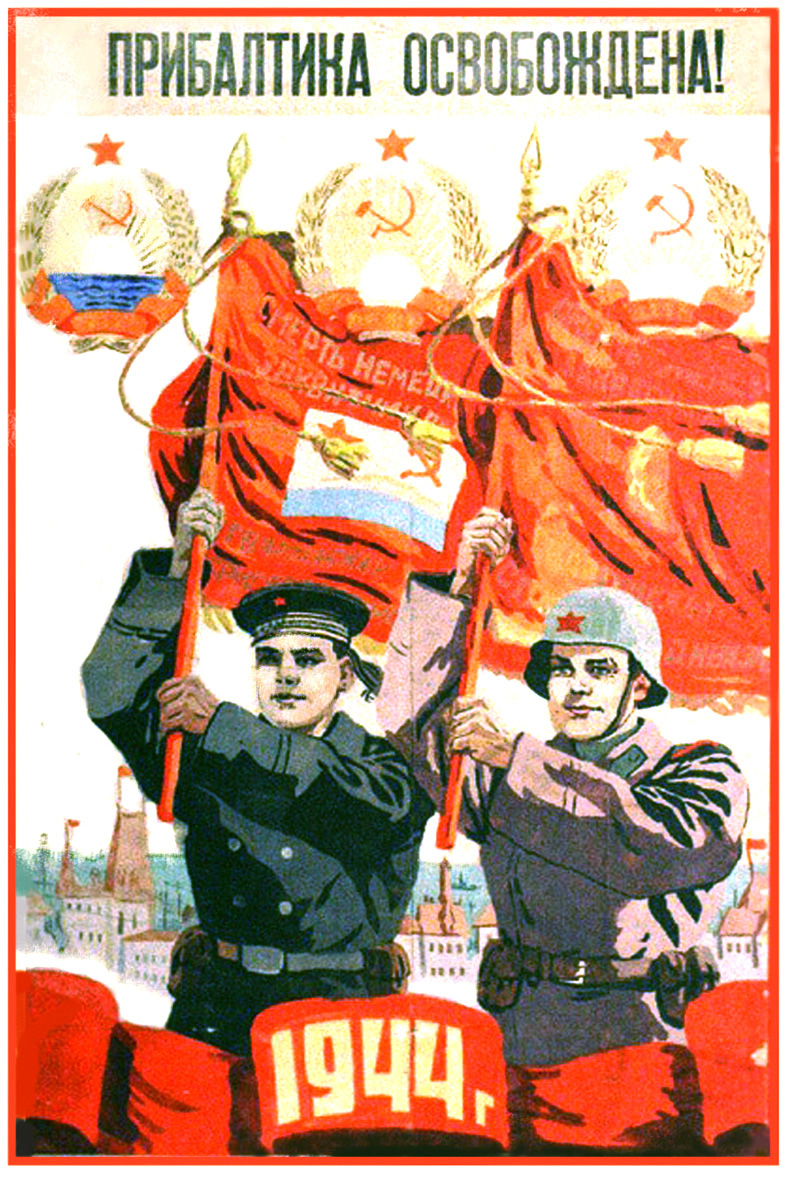
Second Soviet Occupation of Estonia
Estonia
Historical Events
Soviet History
Estonian History
4 min read
Updated By: History Editorial Network (HEN)
Published:
Updated:
The reoccupation of Estonia by the Soviet Union marked a pivotal period in the nation's history, characterized by extensive Sovietization and repression. Following the initial occupation during World War II, Estonia was integrated into the Soviet system, which involved the imposition of Soviet governance, economic restructuring, and cultural assimilation. The Soviet authorities implemented policies aimed at eradicating national identity, including the suppression of the Estonian language and the promotion of Russian culture. This period saw significant demographic changes, with a large influx of Russian settlers altering the ethnic composition of the population. The impact of these policies was profound, leading to widespread discontent and resistance among the Estonian populace, which culminated in various movements advocating for independence.
The struggle for autonomy intensified during the latter part of the Soviet era, as Estonians sought to reclaim their national identity and sovereignty. The push for independence gained momentum, leading to a declaration of independence that was eventually recognized by Soviet authorities. This recognition marked a turning point, allowing Estonia to re-establish itself as a sovereign nation. The subsequent withdrawal of Russian military forces solidified Estonia's independence, paving the way for its integration into international organizations such as the United Nations. The legacy of the Soviet occupation continues to influence Estonia's political landscape and societal dynamics, as the nation navigates its post-Soviet identity and relationships with neighboring countries.
#mooflife
#MomentOfLife
#Estonia
#SovietUnion
#Independence
#Sovietization
#History

Explore the Life Moments of
 AI Twin