Naval and Air Blockade on Estonia and Airliner Incident
Estonia
Military
International Relations
Estonia
3 min read
Updated By: History Editorial Network (HEN)
Published:
Updated:
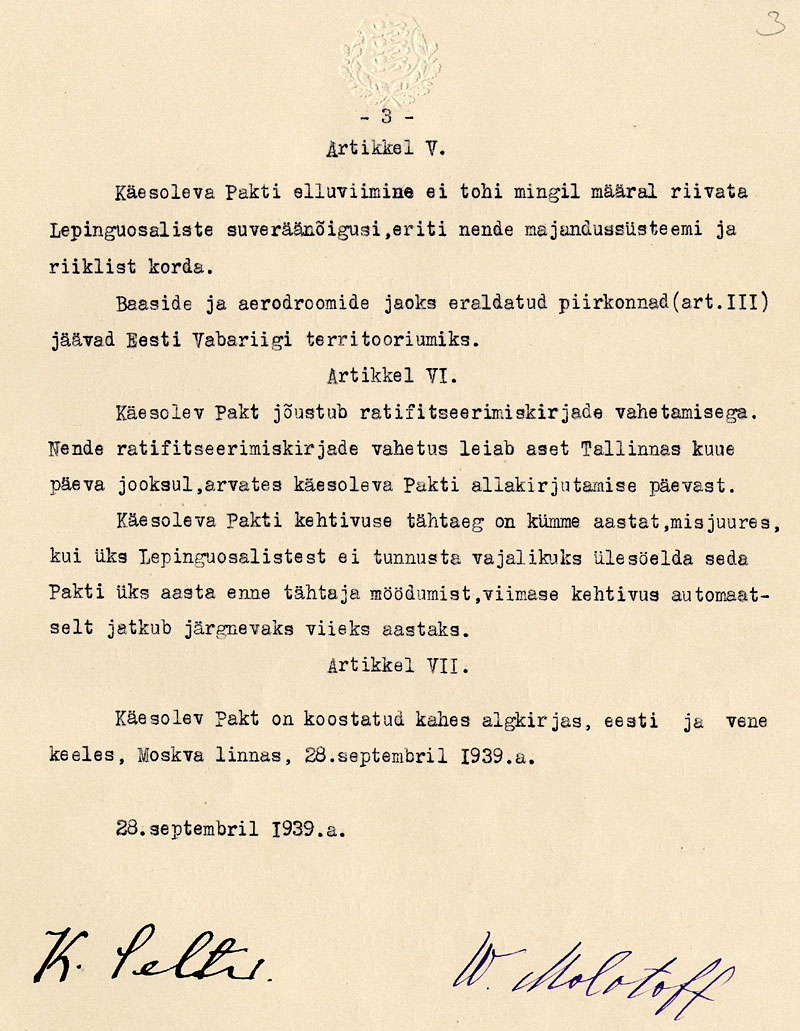
The Soviet-Estonian Mutual Assistance Treaty facilitated the establishment of Soviet military bases in Estonia, marking a pivotal shift in the region's geopolitical landscape. Following the signing of this treaty, the Soviet Union implemented a comprehensive naval and air blockade on Estonia. This blockade was characterized by aggressive military actions, including the shooting down of the Estonian airliner Kaleva, which underscored the escalating tensions and the Soviet Union's intent to exert control over the Baltic state. The blockade not only restricted Estonia's access to international waters and airspace but also had profound implications for its sovereignty and security. The actions taken by the Soviet Union during this period were part of a broader strategy to consolidate power in Eastern Europe, leading to significant political and social upheaval within Estonia. The blockade and subsequent military presence marked the beginning of a prolonged period of Soviet dominance in the region, which would have lasting effects on Estonia's national identity and its relations with neighboring countries.
#mooflife
#MomentOfLife
#SovietUnion
#Estonia
#MutualAssistanceTreaty
#NavalBlockade
#KalevaAirliner

Explore the Life Moments of
 AI Twin