Molotov-Ribbentrop Pact's Impact on Estonia
Estonia
International Relations
3 min read
Updated By: History Editorial Network (HEN)
Published:
Updated:
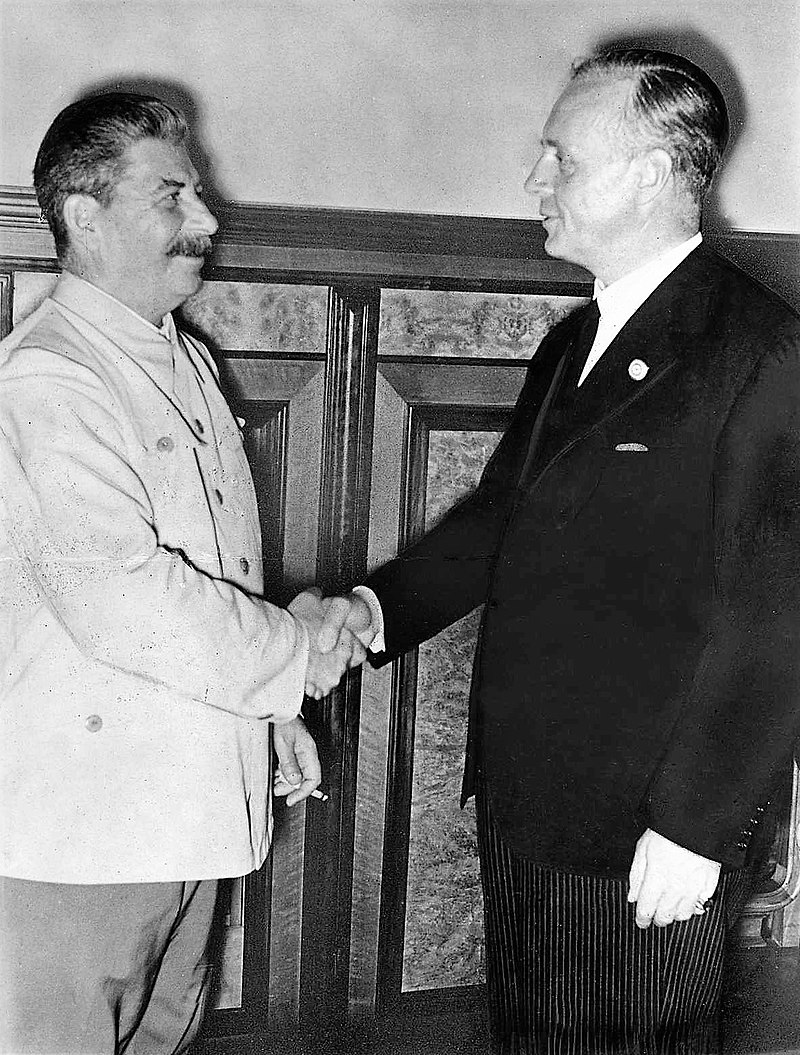
The Molotov–Ribbentrop Pact, a non-aggression treaty between Nazi Germany and the Soviet Union, included a secret protocol that delineated spheres of influence in Eastern Europe. This agreement effectively assigned Estonia to the Soviet Union's sphere, which had profound implications for the Baltic state. Following the signing of the pact, the geopolitical landscape of Europe shifted dramatically, as both powers sought to expand their territories and influence. The pact allowed the Soviet Union to exert control over Estonia, leading to increased tensions in the region as the threat of invasion loomed.
In the context of the invasion of Poland, the Soviet Union, under Joseph Stalin, issued an ultimatum to Estonia, demanding the establishment of military bases on its territory. This ultimatum was part of a broader strategy to secure Soviet interests in the Baltic region. The pressure from the Soviet Union culminated in the occupation of Estonia, which was formalized through subsequent agreements and military actions. The Molotov–Ribbentrop Pact and its secret protocols not only facilitated the Soviet annexation of Estonia but also set the stage for the broader conflicts that would unfold during World War II, reshaping the political landscape of Eastern Europe for decades to come.
#mooflife
#MomentOfLife
#Molotov-ribbentropPact
#Estonia
#SovietUnion
#WorldWarIi
#EasternEurope

Explore the Life Moments of
 AI Twin