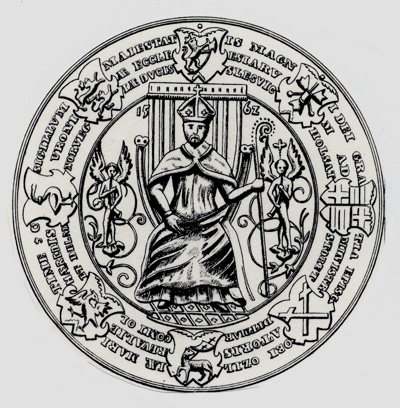
Magnus Crowned King of Livonia
Estonia
Historical Events
Monarchies
Russian History
4 min read
Updated By: History Editorial Network (HEN)
Published:
The crowning of Magnus, Duke of Holstein, as King of Livonia by Ivan the Terrible marked a pivotal moment in the complex political landscape of Eastern Europe. Magnus's arrival in Moscow and subsequent pledge of allegiance to the Russian Tsar signified a strategic alliance aimed at consolidating power in the region. Livonia, a territory that had been contested by various powers, including Sweden and Poland, was seen as a valuable asset. Magnus established Põltsamaa as the capital of his short-lived kingdom, which was characterized by shifting allegiances and aspirations for dominance. The political maneuvering during this period was indicative of the broader struggles for control over the Baltic Sea and its trade routes.
The military campaigns that ensued, particularly the sieges of Tallinn, underscored the volatility of the region. Despite the efforts of Ivan and Magnus, their attempts to capture the city were thwarted by a resilient Estonian peasant army led by Ivo Schenkenberg. This resistance not only highlighted the local opposition to foreign rule but also reflected the complexities of the socio-political dynamics at play. The failure to secure Tallinn had lasting implications for Magnus's reign and the ambitions of Ivan the Terrible, ultimately contributing to the instability that would characterize Livonia in the years to follow. The events surrounding Magnus's coronation and the subsequent military engagements illustrate the intricate web of alliances and conflicts that defined the era.
#mooflife
#MomentOfLife
#Livonia
#IvanTheTerrible
#MagnusDukeOfHolstein
#BalticSea
#PoliticalAlliances

Explore the Life Moments of
 AI Twin