Annexation of Estonia by the Soviet Union
Estonia
Political Science
Geopolitics
4 min read
Updated By: History Editorial Network (HEN)
Published:
Updated:
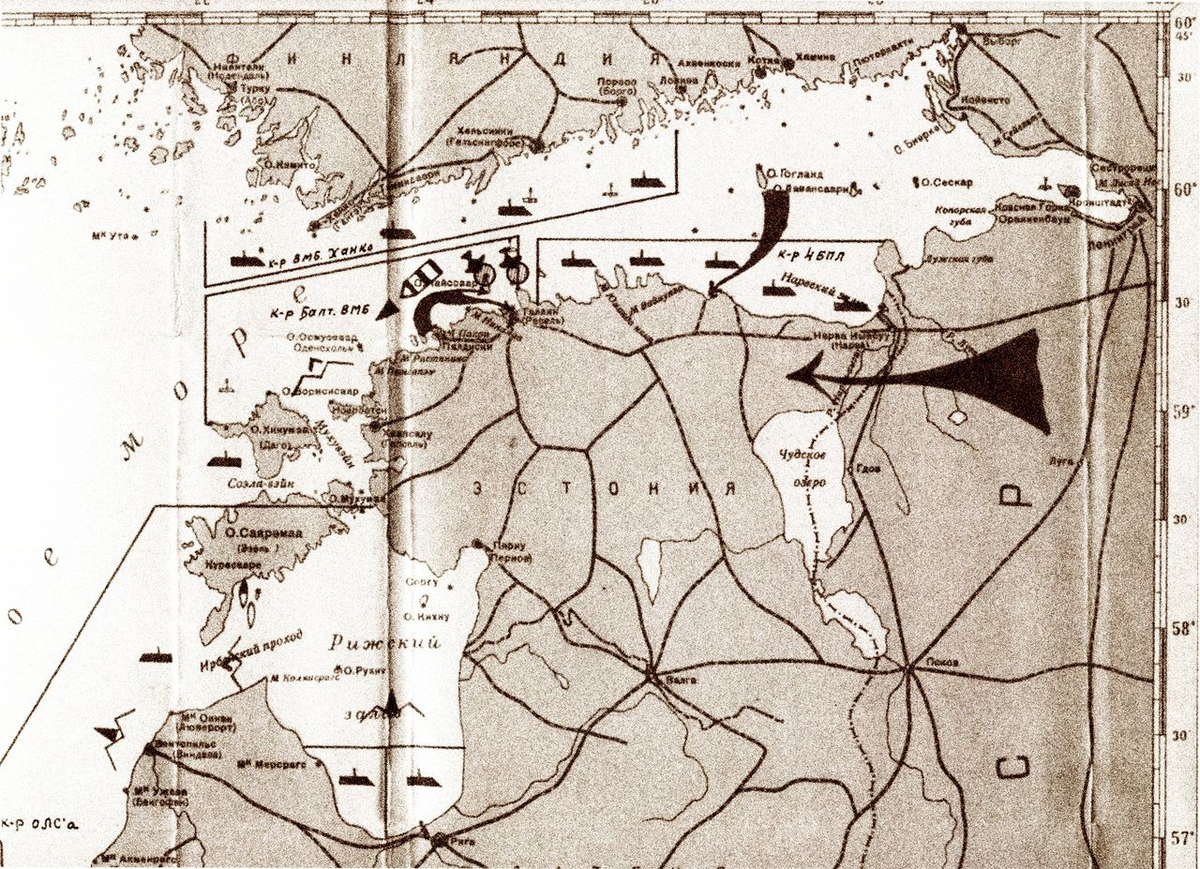
The annexation of Estonia by the Soviet Union marked a pivotal shift in the region's political landscape. Following the occupation, the Soviet regime implemented a series of repressive measures aimed at consolidating control over the newly acquired territory. The Independent Signal Battalion was the only unit of the Estonian Army that mounted any form of armed resistance against the Soviet forces during this tumultuous period. The Soviet authorities swiftly established a regime characterized by widespread arrests, particularly targeting the country's political and social elite. This repression was part of a broader strategy to eliminate any potential opposition and integrate Estonia into the Soviet system, which included the imposition of Soviet laws and the restructuring of local governance to align with Moscow's directives.
The impact of this annexation was profound and long-lasting. The Estonian population faced significant challenges, including forced deportations and the suppression of national identity. The Soviet regime sought to erase Estonian cultural and historical narratives, replacing them with Soviet ideology. This period of occupation led to a demographic shift, as many Estonians were displaced or fled to avoid persecution. The legacy of this annexation continues to influence Estonia's national consciousness and its relationship with Russia, as the country navigates its post-Soviet identity and strives to maintain its sovereignty in the face of historical grievances.
#mooflife
#MomentOfLife
#Estonia
#SovietUnion
#Annexation
#Repression
#HistoricalImpact

Explore the Life Moments of
 AI Twin