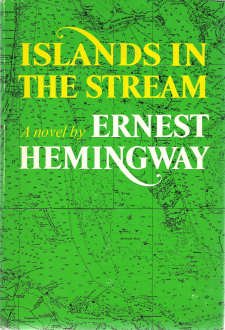
First Posthumous Novel: Islands in the Stream
United States of America
Literature
Biography
Memoir
4 min read
Updated By: History Editorial Network (HEN)
Published:
Updated:
Islands in the Stream, published posthumously in 1970, is one of Ernest Hemingway’s most introspective and emotionally charged novels. Originally intended as a trilogy, the book follows the life of Thomas Hudson, a reclusive painter living in the Caribbean, as he navigates love, loss, and war. Divided into three sections—“Bimini,” “Cuba,” and “At Sea”—the novel captures the quiet beauty of island life, the devastation of personal tragedy, and the thrilling yet brutal realities of World War II. It is a story of solitude and adventure, of a man struggling to reconcile his past with the present, all while being surrounded by the vast, unrelenting ocean. Hemingway’s prose is as vivid and powerful as ever, painting a world of deep blues, golden sunsets, and stormy nights, mirroring the inner turmoil of his protagonist.
This novel, though unfinished at the time of Hemingway’s death, stands as a powerful testament to his literary genius. It carries themes of masculinity, duty, and existential longing—classic Hemingway elements—but also introduces a vulnerability that feels more personal than in his previous works. Through Hudson’s journey, Hemingway explores grief, resilience, and the search for meaning in an ever-changing world. Islands in the Stream is more than just a novel; it is a hauntingly beautiful reflection of Hemingway’s own life, offering readers a final glimpse into the mind of a man who lived and wrote with unparalleled intensity.
#Hemingway #IslandsInTheStream #LostParadise #LiteraryLegend #OceanAndSoul #MomentOfLife #MoofLife

Explore the Life Moments of
 AI Twin