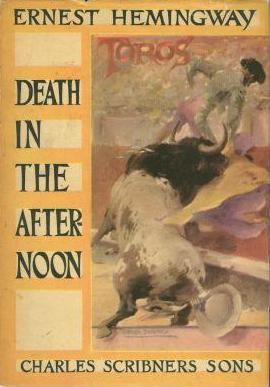
Death in the Afternoon (1932): History, Ceremony and Traditions of Spanish Bullfighting
United States of America
Literature
Book Analysis
Cultural Studies
3 min read
Updated By: History Editorial Network (HEN)
Published:
Updated:
Published in 1932, "Death in the Afternoon" is a seminal non-fiction work by Ernest Hemingway that delves into the intricate world of Spanish bullfighting. Drawing from his experiences in Spain, Hemingway sought to create a comprehensive treatise that not only explains the rituals and traditions surrounding bullfighting but also captures the emotional and cultural significance of the sport. The book is divided into two main sections: the first focuses on the history and philosophy of bullfighting, while the second provides a detailed account of the actual events in the bullring, including the roles of the toreros (bullfighters) and the various types of corridas (bullfights). Hemingway's vivid prose and keen observations offer readers an intimate glimpse into the artistry and brutality of this controversial tradition. His exploration of themes such as courage, death, and the nature of life resonates throughout the text, making it a profound reflection on the human condition. "Death in the Afternoon" not only solidified Hemingway's reputation as a major American writer but also contributed significantly to the literary discourse surrounding bullfighting, elevating it from mere spectacle to a subject worthy of serious contemplation. #mooflife #mof #MomentOfLife #ErnestHemingway #DeathInTheAfternoon #Bullfighting #SpanishCulture #Non-fiction

Explore the Life Moments of
 AI Twin