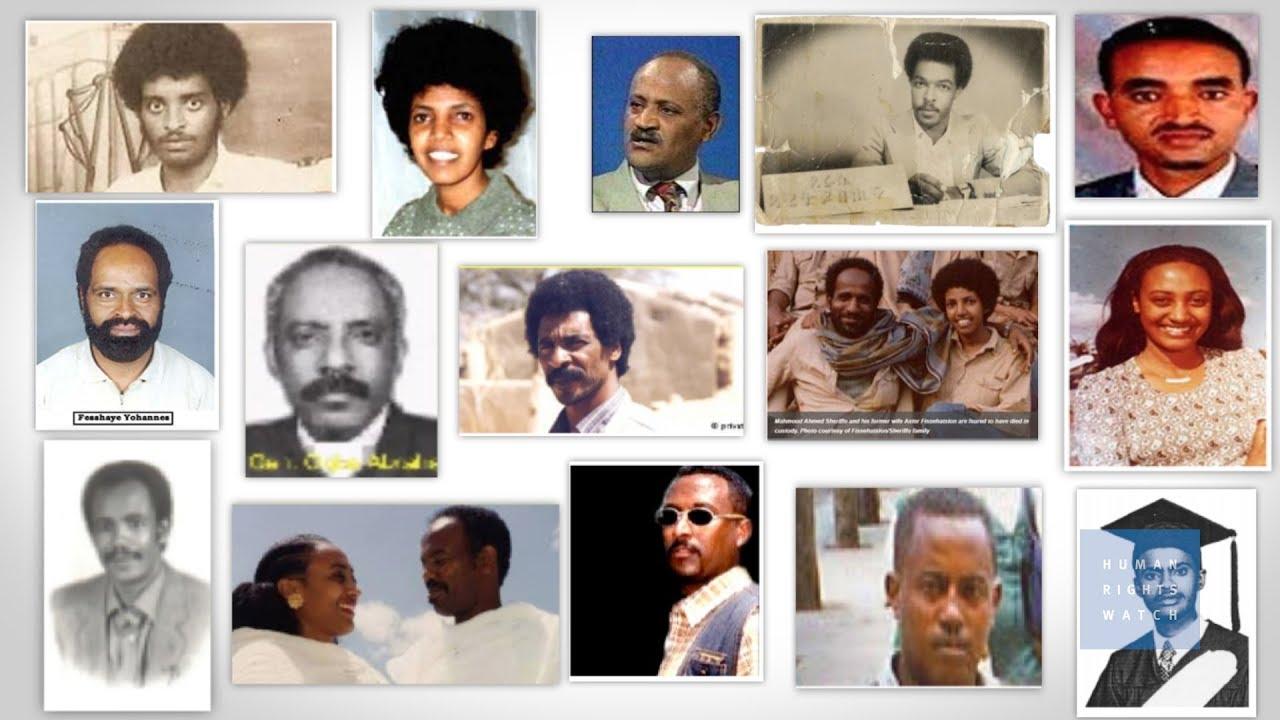
The arrest of the G-15, a group of fifteen prominent Eritreans including three cabinet members
Politics
Eritrea
4 min read
Updated By: History Editorial Network (HEN)
Published:
Updated:
The arrest of the G-15, a group of fifteen prominent Eritreans including three cabinet members, marked a critical juncture in Eritrea's political landscape. This group was detained after they published an open letter advocating for democratic dialogue with the government and President Isaias Afewerki. Their call for reform was met with severe repercussions, as they, along with thousands of others alleged to be affiliated with them, were imprisoned without any legal charges, hearings, trials, or judgments. This situation reflects a broader pattern of repression in Eritrea, where dissent is not tolerated, and political opposition is systematically silenced. The lack of due process and the arbitrary nature of these arrests have drawn international condemnation and raised concerns about the state of human rights in the country.
The backdrop to these events includes a period of conflict between Eritrea and Ethiopia, which lasted from 1998 to 2001. This conflict exacerbated the already fragile political environment in Eritrea, leading to increased authoritarian measures by the government. The G-15's arrest is emblematic of the government's broader strategy to maintain control and suppress any calls for democratic reforms. The ongoing imprisonment of political dissidents has contributed to Eritrea's reputation as one of the most repressive regimes in the world, with numerous reports highlighting human rights abuses, including forced labor, arbitrary detention, and restrictions on freedom of expression. The situation remains dire, as the government continues to prioritize its grip on power over the fundamental rights of its citizens.
#mooflife
#MomentOfLife
#Eritrea
#G-15
#HumanRights
#PoliticalRepression
#DemocraticDialogue

Explore the Life Moments of
 AI Twin