Formal End of Eritrean–Ethiopian Border Conflict
Politics
International Relations
3 min read
Updated By: History Editorial Network (HEN)
Published:
Updated:
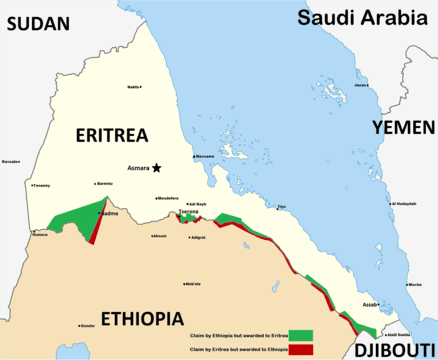
The Algiers Agreement marked a pivotal resolution to the Eritrean-Ethiopian War, which had resulted in significant loss of life and displacement. The conflict, rooted in territorial disputes and political tensions, escalated in the late 1990s, leading to a brutal war that lasted for several years. The agreement established a ceasefire and created a framework for addressing the contentious border issues through the formation of a boundary commission. This commission was tasked with demarcating the borders based on colonial-era treaties, aiming to provide a lasting solution to the disputes that had fueled the conflict. The successful implementation of the agreement was crucial for both nations, as it allowed for the restoration of diplomatic relations and the potential for economic cooperation in the Horn of Africa region. However, the peace was fragile, and tensions remained, particularly as Eritrean troops later intervened in the Tigray War, aligning with the Ethiopian government. This involvement raised concerns about the stability of the region and the long-term implications for Eritrea-Ethiopia relations, highlighting the complexities of post-conflict dynamics and the challenges of maintaining peace in a historically volatile area.
#mooflife
#MomentOfLife
#Eritrea
#Ethiopia
#AlgiersAgreement
#BorderConflict
#TigrayWar

Explore the Life Moments of
 AI Twin