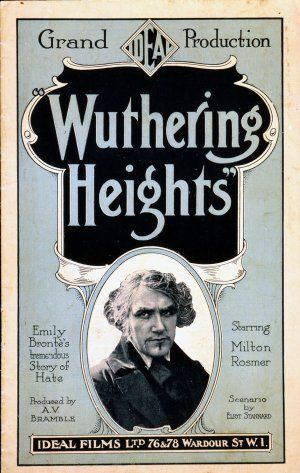
Silent film adaptation of Wuthering Heights
England
Film Adaptations
Classic Literature
Silent Films
4 min read
Updated By: History Editorial Network (HEN)
Published:
Updated:
The silent film adaptation of Wuthering Heights, directed by A. V. Bramble, represents the earliest cinematic interpretation of Emily Brontë's classic novel. This adaptation emerged during a period when silent films were the dominant form of entertainment, allowing filmmakers to explore complex narratives through visual storytelling. The film captures the tumultuous relationship between the characters Heathcliff and Catherine, central to the novel's themes of love, revenge, and the impact of social class. The adaptation reflects the challenges of translating a richly detailed literary work into a visual medium, particularly in conveying the emotional depth and psychological complexity of the characters without the use of dialogue.
The impact of this silent film adaptation can be seen in its role in popularizing Wuthering Heights among a broader audience, paving the way for future adaptations across various media. The film's release contributed to the ongoing interest in Brontë's work, which has been revisited and reinterpreted numerous times in subsequent decades. The silent film era was characterized by its unique storytelling techniques, relying heavily on expressive performances and visual cues to engage viewers. This adaptation set a precedent for later films, which would continue to explore the themes and characters of Wuthering Heights, demonstrating the novel's enduring relevance in popular culture. The legacy of this early adaptation is evident in the continued fascination with Brontë's narrative, as filmmakers and audiences alike seek to understand and reinterpret the complexities of human relationships as depicted in the original text.
#mooflife
#MomentOfLife
#WutheringHeights
#SilentFilm
#A.V.Bramble
#FilmAdaptation
#EmilyBrontë
Primary Reference
Wuthering Heights (1920 film)

Explore the Life Moments of
 AI Twin