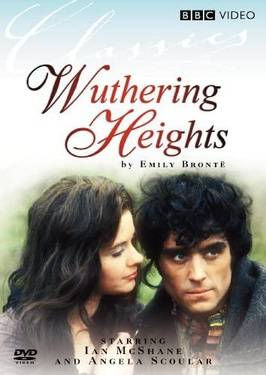
BBC adaptation of Emily's novel
England
Literature
Music
Film Adaptations
4 min read
Updated By: History Editorial Network (HEN)
Published:
Updated:
The BBC adaptation of Emily Brontë's novel, which took place in 1967, played a crucial role in the cultural landscape of the time. This adaptation brought Brontë's classic story of passion and tragedy to the small screen, making it accessible to a wider audience. The portrayal of the tumultuous relationship between Catherine Earnshaw and Heathcliff resonated with viewers, highlighting themes of love, revenge, and the impact of social class. The adaptation was notable for its fidelity to the source material, capturing the dark and brooding atmosphere of the Yorkshire moors that is central to the novel's setting. This production not only introduced a new generation to Brontë's work but also set a precedent for future adaptations of classic literature in television and film.
The influence of the 1967 adaptation extended beyond its initial broadcast, inspiring various artistic interpretations, most notably the debut single "Wuthering Heights" by UK singer-songwriter Kate Bush. Released in January 1978, the song drew directly from the themes and characters of Brontë's novel, particularly channeling the voice of Catherine Earnshaw. Bush's haunting vocals and ethereal sound captured the essence of the novel, leading to widespread acclaim and establishing her as a significant figure in music. The song's success further solidified the connection between Brontë's literary work and contemporary culture, demonstrating how adaptations can breathe new life into classic narratives and influence future generations of artists.
#mooflife
#MomentOfLife
#BbcAdaptation
#EmilyBrontë
#WutheringHeights
#KateBush
#LiteraryAdaptations
Primary Reference
Wuthering Heights (1967 TV series)

Explore the Life Moments of
 AI Twin