Treaty of Guayaquil Recognition of Gran Colombia
Ecuador
International Relations
3 min read
Updated By: History Editorial Network (HEN)
Published:
Updated:
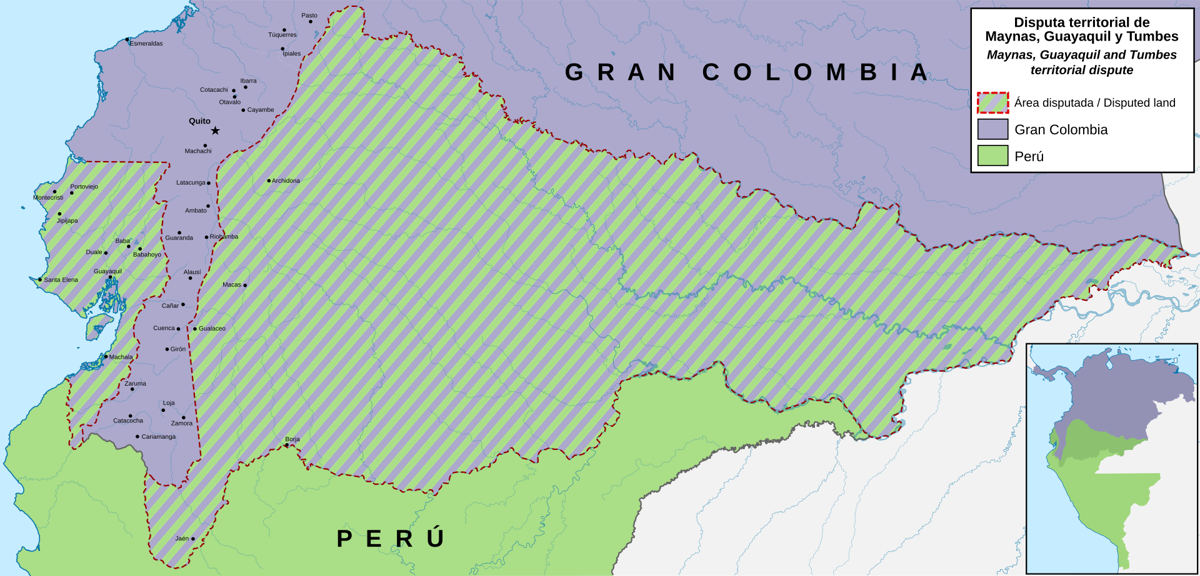
The Treaty of Guayaquil established a framework for territorial recognition between Peru and Gran Colombia, specifically concerning the regions of Tumbes, Jaén, and Maynas. This agreement emerged from a series of negotiations aimed at resolving disputes following the independence movements in South America. The treaty delineated the borders between the two nations, designating the Tumbes River as the western boundary and the Marañón and Amazon rivers as the eastern limits, which were considered the most natural demarcations. The treaty was significant in that it sought to stabilize relations and clarify territorial claims in a region marked by political upheaval and shifting allegiances.
Despite the agreement, the implementation faced challenges. Peru complied with the treaty by returning Guayaquil to Gran Colombia; however, it did not fulfill its obligations regarding Tumbes and Jaén. The Peruvian government justified this failure by claiming that these territories were not included in the terms of the treaty. This discrepancy led to ongoing tensions between the two nations, highlighting the complexities of post-colonial territorial politics in South America. The treaty's impact was felt in subsequent diplomatic relations and territorial disputes, shaping the geopolitical landscape of the region for years to come.
#mooflife
#MomentOfLife
#TreatyOfGuayaquil
#GranColombia
#Peru
#Tumbes
#TerritorialDisputes

Explore the Life Moments of
 AI Twin