Creation of Gran Colombia and Tumbes Declaration
Ecuador
Politics
3 min read
Updated By: History Editorial Network (HEN)
Published:
Updated:
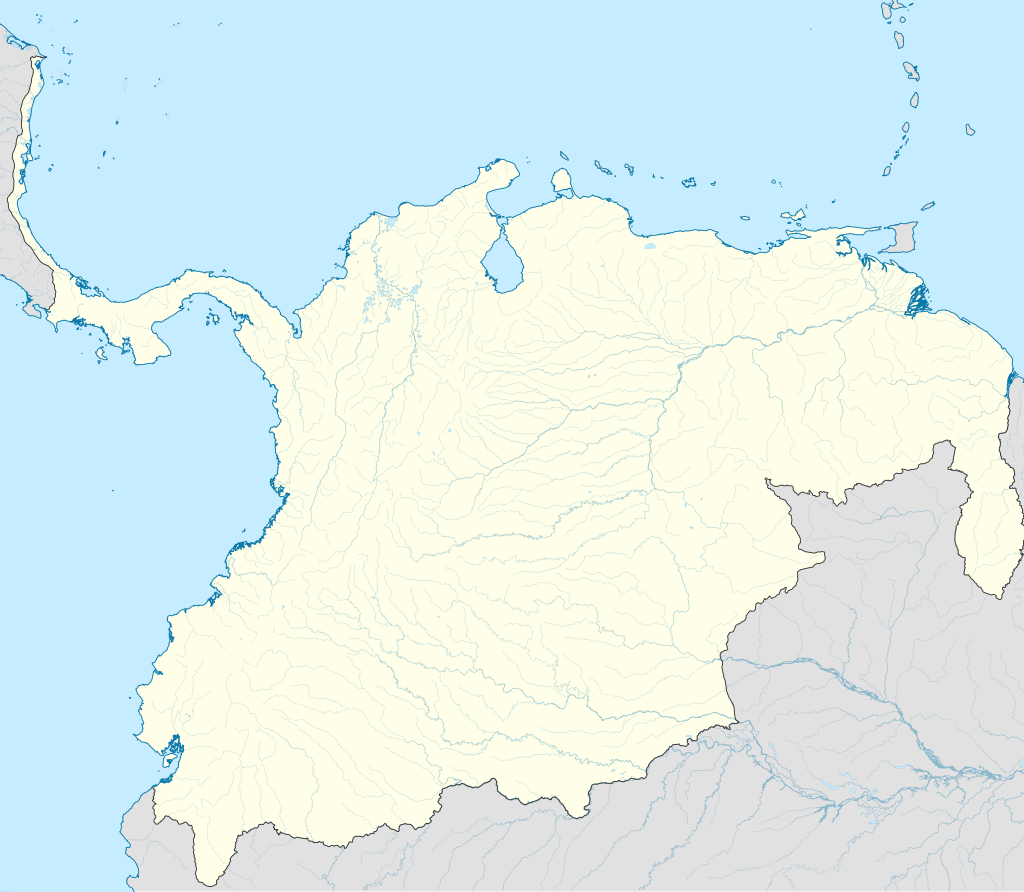
The establishment of Gran Colombia marked a pivotal moment in the history of South America, as it unified several territories that had previously been part of the Spanish Empire. The Republic encompassed the regions that are now known as Colombia, Venezuela, and Ecuador. This unification was largely driven by the efforts of Simón Bolívar, a key figure in the independence movements across Latin America. Bolívar envisioned a federation that would not only consolidate the liberated territories but also promote political stability and economic cooperation among them. The Congress of Angostura served as the platform for this ambitious project, where leaders from the newly liberated regions convened to discuss the future governance of their territories.
The impact of Gran Colombia was profound, as it represented an early attempt at regional integration in Latin America. The republic aimed to create a strong central government that could effectively manage the diverse interests of its constituent regions. However, the challenges of governance, regional disparities, and political disagreements eventually led to fragmentation. By the mid-19th century, Gran Colombia dissolved into separate nations, each pursuing its own path. Despite its short-lived existence, Gran Colombia laid the groundwork for future political and economic collaborations in the region, influencing the development of national identities and the quest for unity among Latin American countries.
#mooflife
#MomentOfLife
#GranColombia
#SimónBolívar
#SouthAmerica
#LatinAmericanHistory
#RegionalIntegration

Explore the Life Moments of
 AI Twin